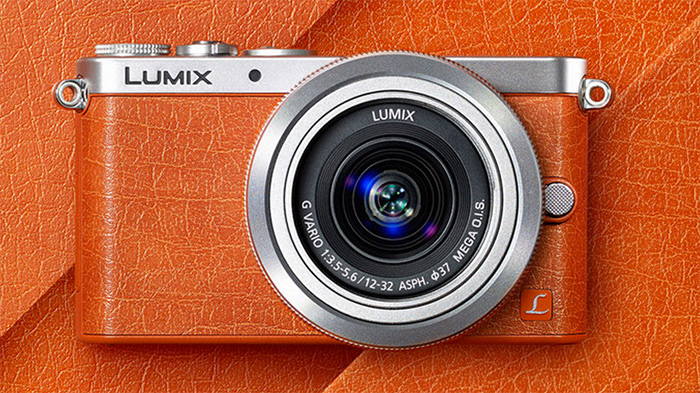
I found a Panasonic Lumix GF2 at about USD10 only! I thought, it was a no brainer, and the camera was still in great working condition. I brought the camera out for some shutter therapy, and the color rendering of the GF2 surprised me, for the first time, I do love Panasonic colors. I know some will say “but we can’t find this for 10 dollars elsewhere”, now, that is just the buyer’s luck, which happens like once in a purple moon.
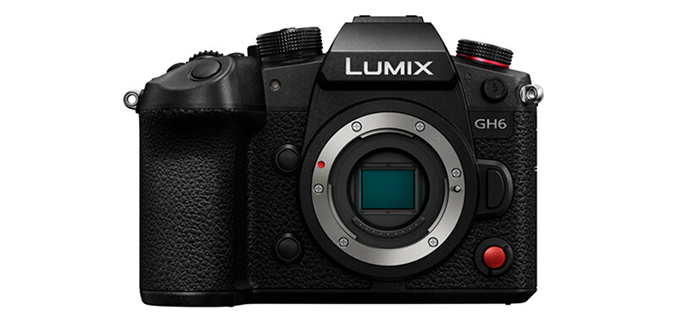
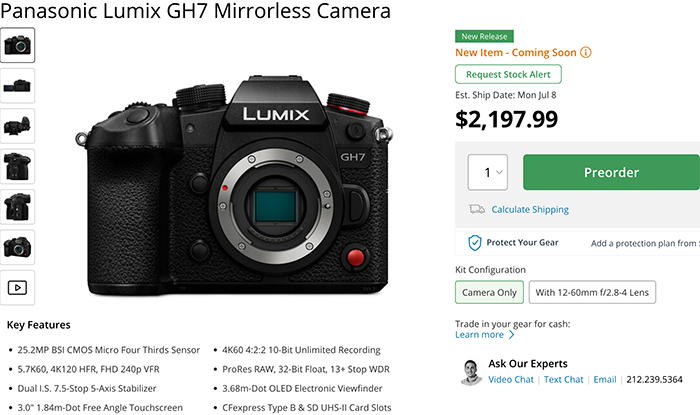
Here is my take on the GH7: It is an extremely capable MFT camera with some very interesting new technology. And it has the potential to bring some atmosphere back to the MFT system, even more than we got with the G9II. Some technologies are exclusive to this camera (Arri C-log, internal ProRes RAW, 32-bit float…) and some technologies are better than in most FF cameras (IBIS, rolling shutter reduction and so on). The price is also acceptable and I hope Panasonic will sell many GH7!
Now we finally have a wonderfully video-optimized body with everything the G9 II offered and much more. The Panasonic Micro Four Thirds line now makes sense.The GH7’s 4K/120P, much reduced rolling shutter, internal ProRes RAW recording, and optional 32-bit float audio make a strong case for compromising on sensor size. That said, the GH7 has me thinking that we may see a lot of these features in an upcoming full-frame, L-Mount S1H replacement. That will undoubtedly be a more expensive camera though, so the GH7 will likely continue to be a great choice for video enthusiasts. I’ll be using the GH7 as my primary video for shooting the PetaPixel YouTube Channel, so keep an eye on our channel for an idea of what this camera is capable of, and rest assured I’ll be back with a full review after some more shooting time.
What is your opinion, is GH7 the first big step toward a full renaissance of the MFT system?
The Olympus/OM System OM-1 might be the last camera you will ever need. With crop sensors and lenses this good there could hardly be any reason to upgrade. And full frame mirrorless becomes kinda pointless. A DSLR as a complement is of course another story.