10 Moments in History That Changed Cameras (MirrorlessRumors).
Reisefotografie mit Olympus m43 (Christian Mari).
Olympus Ambassador Jimmy Cheng is one of the lucky few to get their hands on the OM-D E-M5 Mark III ahead of its launch (Olympus Imagespace).
Shootvilla Shoulder Rig for Cameras (Personal View).
I got multiple feedback the past hours from high level Olympus managers. Such rumors about Olympus closing their MFT adventure are 100% totally BS.
They also reminded me that in their latest press release they stated this clearly:
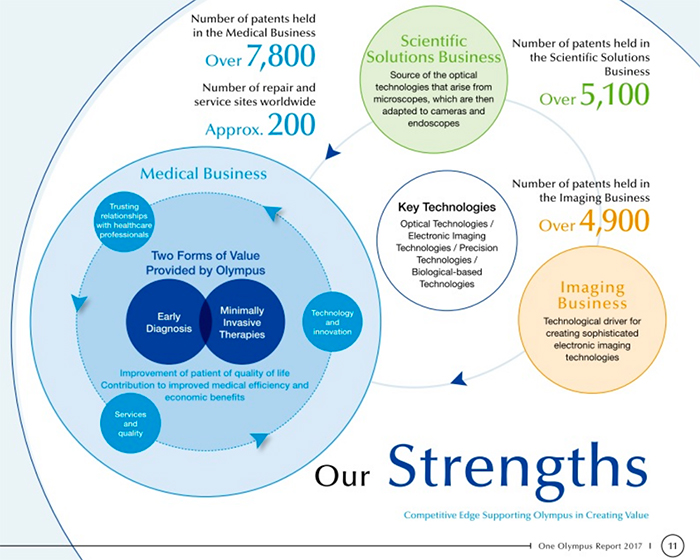
The Imaging and Scientific Solutions divisions remain crucial components to the overall Olympus business, and will strive to improve profitability and operational efficiency.
The Imaging Business is a driver for all other successful divisions too (particularly for the medical business). They also reminded me that they invested a lot of resources to move the factory and make it more future proof (as it will reduce the production costs). Expect 2020 to see again some major innovation from Olympus to silence once more these “closure rumors”.
–
Note: Gordon Laing (watch from minute 16:30) also called “clickbait” on this news and perfectly explains why he sees future in the MFT system:
E-M5III hands-on at DC.watch
Zhiyun-Tech Weebill S Gimbal in Detail (Personal View).
Holiday 2019: Tripod Head Buying Guide (Explora).
Photo Walk Olympus Pen E-PL8 vs Fujifilm X100f (Rob Trek).
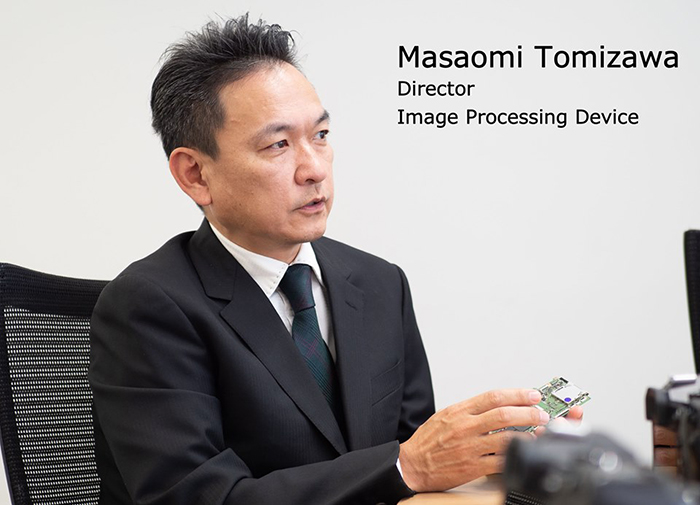
The image processing engine is an IC chip that handles all processing operations- including color conversion, noise reduction and autofocusing. The engine was not developed for a single model; instead, a single engine was designed for all cameras in the current generation. Because of the long development period, a new engine is basically required to provide at least twice the performance of its predecessor. To make this possible, we use the latest IC chip for a new engine.
However, it is not enough to create a high-performance image processing engine. What is truly important when developing an engine is the power to anticipate what will come next. It is essential to be able to conceive and visualize the camera of the future by observing current trends and then developing the technology needed to make that camera a reality.
While the algorithm development team at Olympus indicates what needs to be implemented into the next model, the engine development team looks yet one step beyond that and works to provide the engine with flexibility. This extra margin determines the destiny of the camera systems for a generation.
For example, the E-M1X, which was released in January of 2019, employs two TruePic VIII image processing engines, each of which is identical to the engine incorporated in the E-M1 Mark II. We were able to incorporate two engines into the new model because we had previously embedded in each engine a mechanism to facilitate synchronization.
With two engines, an exciting new array of capabilities have been unleashed such as Handheld High Res Shot. Technically, the new Handheld High Res Shot’s framework is completely different from the previous Tripod High Res Shot. Nevertheless, this does not mean that the TruePic VIII actually incorporates the functionality for the Handheld High Res Shot function. All we did was to predict the kind of processing that would be required by analyzing trends and incorporating the parts required in advance. We later succeeded in implementing the Handheld High Res Shot with the E-M1X by combining those parts.
We are confident in our ability to anticipate the future. As the leader in mirrorless cameras, we were the first to launch development of a dedicated engine, the first to get feedback from our customers, and the first to translate that feedback into hardware.
One of our other strong points is that we send our engine developers out in the field with professional photographers. This gives our engineers a chance to observe professionals in action, to see how they use their equipment, what they need, what they like, and what will help them to achieve their shooting objectives. This data forms the basis for conceptualizing the next-gen engine, which will appear on the scene in a few years.
Working week with m43 equipment (Mark D. Young).
This Laser-Shooting Camera Can See You From Around the Corner (Mirrorlessrumors).
How to Photograph the Milky Way (Explora).
Epson V800 vs Panasonic LUMIX S1R | Best way to scan your film Negatives (L-rumors).
1) To submit your picture for the weekly readers roundup post you can choose one of the following two options:
– Instagram:Follow @microfourthirdsgallery and tag us on your picture to give us the permission to repost your image on the instagram gallery and on 43rumors (we will credit you)
– Facebook: Submit your picture on our group: facebook.com/groups/microft. Please add the hashtag “#microfourthirdsgallery ” to grant the permission for reposting on 43rumors. Without the hashtag we will not add your picture!
Note: When sending a pic feel free to also add a link to your site to promote yourself! And please do share one single picture per week only. Do not spam :)
Olympus OM-D E-M1 Mark II Auto ISO in Manual for Video
Panasonic’s S1H is the first mirrorless camera approved by Netflix (L-rumors).
A Guide to the Mirrorless Cameras of 2019 (Explora).
Shootvilla Curved Slider (Personal View).
Olympus PenF Color Profiles on Your OM-D Camera (Rob Trek).