The SanDisk Extreme Fit is remarkably small — the 1TB SSD weighs only 3 grams (0.1 oz) and measures 18.5 × 13.7 × 16 mm (0.7 × 0.5 × 0.6 in). In fact, its USB-C connector is nearly as long as the entire drive is thick. You can get it now in different capacities for $25 to up to $119 at Amazon.
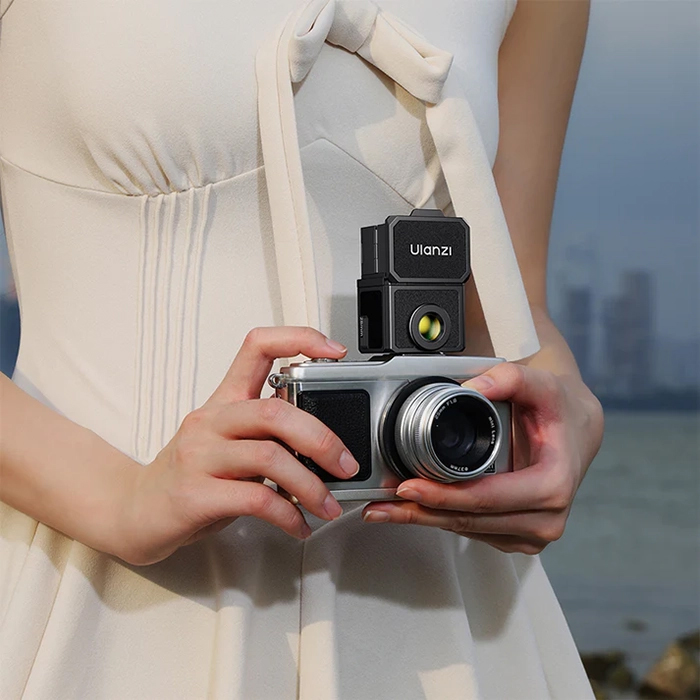
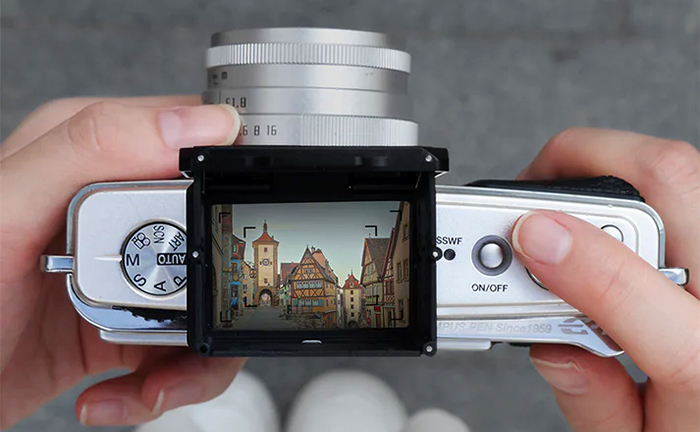
You get this cool looking optical viewfinder for $41 at Ulanzi store (Click here).
It has a Ground Glass Focusing Screen, 35mm and 50mm frame lines…cute!
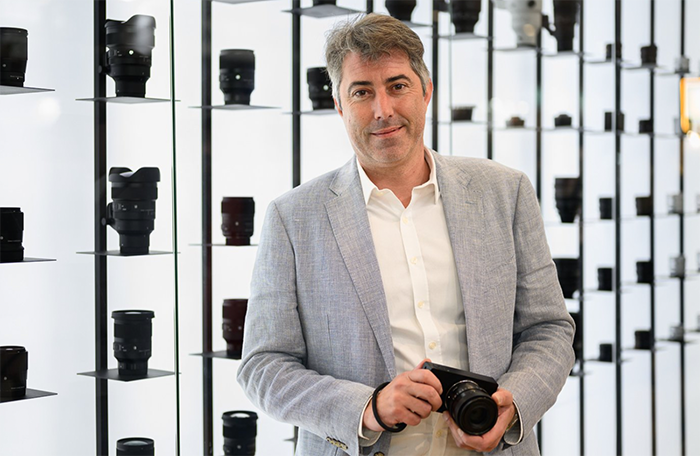
Phototrend had a talk with Foucauld Prové, Managing Director at Sigma France. He said the following about MFT:
We no longer manufacture lenses for micro 4/3, so I imagine our management no longer anticipates huge growth for this format. But, having attended quite a few wildlife photography festivals and shows, we realize that micro 4/3 still has certain advantages.
Of course, due to the size of the sensors and their limited definition, this will not be the best choice for making incredible enlargements. Nevertheless, the compactness of the lenses remains very relevant for nature photography enthusiasts.
We see this clearly with OM System, which is focusing – rightly – on the outdoor and wildlife photography market.
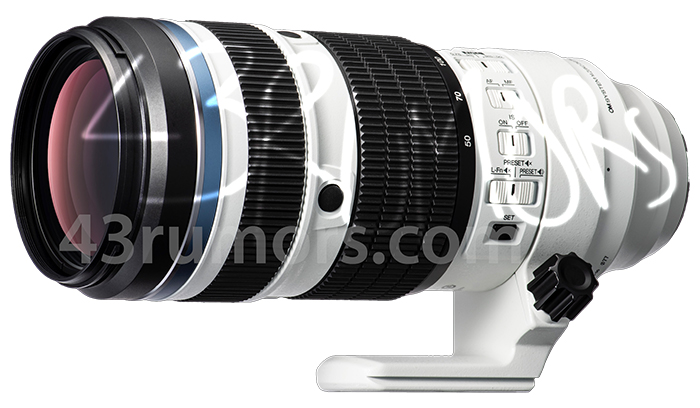
The video dives deep into whether Micro Four Thirds systems can truly compete with full-frame setups in sharpness, depth of field, and low-light performance. The new OM System 50-200mm f/2.8 offers an equivalent field of view of 100-400mm f/2.8, weighs just 2.4 lb, features IP53 weather sealing, in-lens stabilization, and an integrated Arca-Swiss tripod foot. When paired with the OM-1 body, users can achieve up to seven stops of image stabilization.
Comparing it to the Sony full-frame setup, the reviewer notes that while the full-frame camera still delivers slightly better image quality and creamier bokeh, the Micro Four Thirds system remains far more compact and enjoyable to use, especially for travel and handheld sports or wildlife photography. In field tests covering wildlife, golf, tennis, and even night pickleball, the OM-1 Mark II delivered excellent autofocus, light weight, and remarkable stabilization performance — all while costing about 40 percent less than the Sony and Sigma combination.
Ultimately, the video concludes that full-frame systems still produce marginally superior images, but Micro Four Thirds cameras like the OM-1 Mark II offer a more versatile and enjoyable shooting experience for most photographers, achieving 80–90 percent of the image quality at a fraction of the size, weight, and cost.