Next Panasonic live hangout: “Marketing Your Photography”
Panasonic live hangout will be about “Marketing Your Photography” and runs from 11-11:45AM PST.
Courtesy of http://us.panasonic.com/lumixlounge/

Panasonic live hangout will be about “Marketing Your Photography” and runs from 11-11:45AM PST.
Courtesy of http://us.panasonic.com/lumixlounge/
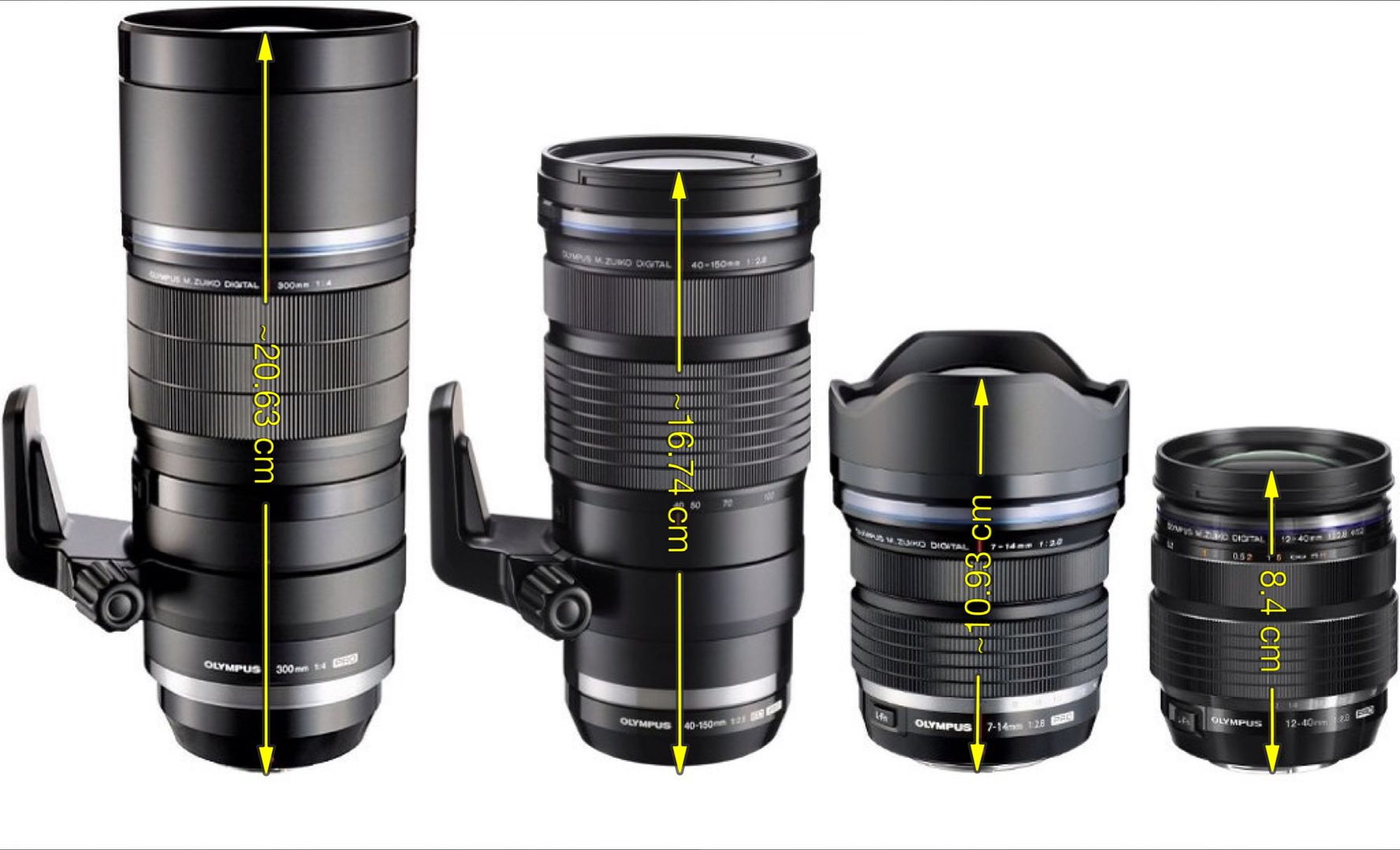
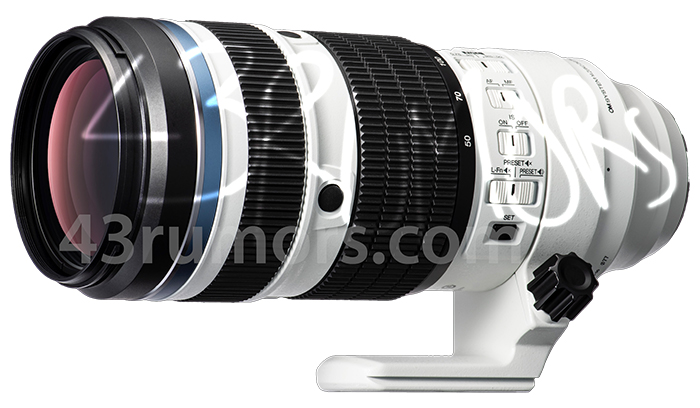
On courtesy of Manuel Fernandez (Thanks!) I am posting his big Olympus PRO lens size comparison.
Live brodcast. Title: “Why Mirrorless?”
Starting from today Panasonic LUMIX will broadcast Lumix Lounge Hangouts live from WPPI over the Google + Hangout network, which will be seen on YouTube and at us.panasonic.com/lumixlounge/ and Facebook pages.
Below are the planned Google+ Hangouts from Panasonic. Time is West Coast Time ( Las Vegas ).
Monday 3, 2014
11:00am – 11:45am Session 1 – Why Mirrorless
(Guests: Giulio Sciorio, Joseph Linaschke, Zenfolio, Sal Cincotta, Rick Sammon, Rick Gerrity)
1:00pm – 1:45pm Session 2 – Digital Imaging Trends
(Guests: Michael Grecco, Joseph Linaschke, Evgeny Tcheboterev, Rob Knight)
3:00pm – 3:45pm Session 3 – Posing for Stills and Video
(Guests: Peter Hurley, Suzette Allen, Renee Robyn, Craig Colvin, Bryan Caporicci)
Tues 4, 2014
11:00am – 11:45 Session 4 – Marketing Your Photography
(Guests: William Innes, Pro Show Web, Richard Harrington, Don Komarechka, David DuChemin)
1:00pm – 1:45pm Session 5 – The New Digital Workflow
(Guests: Suzette Allen, Brian Matiash – Google, Jason Groupp, Don Komarecka, Ron Brickmann)
3:00 – 3:45pm Session 6 – Biz Ops Workflow
(Guests: Kristen Jensen, Skip Cohen, Brad Malcom – CEO Perfectly Clear, Gordon Laing, Martin Bailey)
Hurricane Sandy’s Scars: One year later, Roxbury still recovering from Wasim Ahmad on Vimeo.
This is a Guest Post writtent by Professor Wasim Ahmad (Stony Brook University). If you want to publish your article on 43rumors contact me (Ale) at 43rumors@gmail.com. Thanks!

When committing acts of photojournalism or video, I’ve always reached for my Canon or Nikon cameras since 2008, when both companies added video to their DSLRs
There were some drawbacks, though to letting go of my dedicated video cameras that I had been using previously, though. Video autofocus on DSLRs has been lousy. The shallow depth of field afforded by the larger sensors gets the better of me when it comes to focusing sometimes. I can’t record an interview for more than 20 minutes at a time (or 12 on my Canons). Up until very recently I haven’t been able to monitor audio the way I used to with headphones. But mostly, the autofocus in video is lousy.
But recently, my one video-enabled DSLR, a Nikon D600 was in the shop for repairs at the same time I needed to shoot a short documentary feature on a town recovering one year after Hurricane Sandy. So, as in 2008 when I decided to force myself to learn a new way to shoot video, I decided to learn again – this time using one of the Micro Four Thirds standard bearers – the Panasonic GH3. Not a brand journalists usually consider.
I was surprised to find out that it’s a visual journalist’s dream camera.
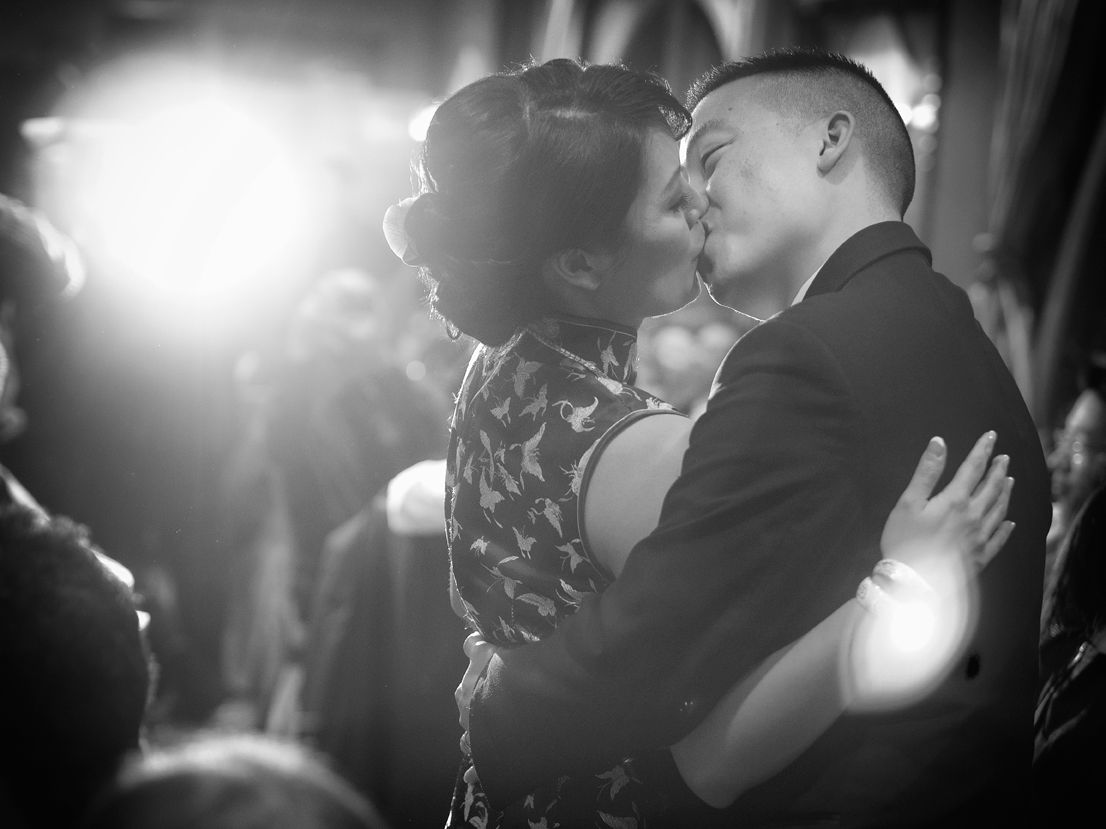
That Canon and Nikon have dominated the journalism industry has a lot to do with inertia – something that I owed my DSLR video choices to as well. But for someone without a large stable of glass from the big two have plenty of other options these days. Micro Four Thirds is one of the more popular mirrorless systems – so I thought I’d give it a fair shot at journalism. I was pleasantly surprised by what I found. Student journalists, multimedia journalists focusing on video and those just starting out will want to take note.
What DSLR users will love in the switch
I have been a longtime Canon 5D Mark II/1D Mark IV user and a Nikon D700/D600 user in more recent times. I’m very used to the way the big two operate.
These days, I won’t buy a camera that doesn’t have a microphone jack for audio, and the capability for video. If you’re doing journalism, these are make-or-break features on a camera.
Panasonic’s GH3 has all of that, and a headphone jack, a rarity on any still/video capable camera, mirrorless or DSLR. It’s why I picked it over the newer GX7, as beautiful as that camera is. Between research and a previous brief experience with a GH2, I’ve found that Panasonic’s GH series cameras have a good reputation for video, which was my primary objective this time around with my Hurricane Sandy story.
I paired it with a Panasonic 20mm f/1.7, 14-140 f/4.0-5.8, Olympus 45mm f/1.8 and 75mm f/1.8. I’ve had a Panasonic GF1 and the 20mm for a while, so while I’m vaguely familiar with Panasonic’s way of doing things, a lot has changed from when they released that camera in 2009 to the GH3 in 2012.

The biggest takeways from my experience from shooting video and photos with the GH3 are things I didn’t expect as Canon and Nikon user.
of being able to send a photo to my phone and post it gives me a leg up on the competition.
I’ll explain – Digital Photography Review’s David Schloss wrote an article about how the Macbook Air sped up his workflow. This one takes it even a step farther – using the built-in WiFi, I can send the photos directly to my phone (unfortunately, though, only JPGs, not RAW files), edit and post them on the fly. I used this feature a bunch during events that our school runs – shooting photos and posting them to our social networks live to attract larger audiences. As you can see from the photos – these are not the kind you can get with a smartphone. It adds polish to those quick Instagram, Twitter and Facebook posts – something news organizations can use to keep the photos flowing while looking better than phone-only users.
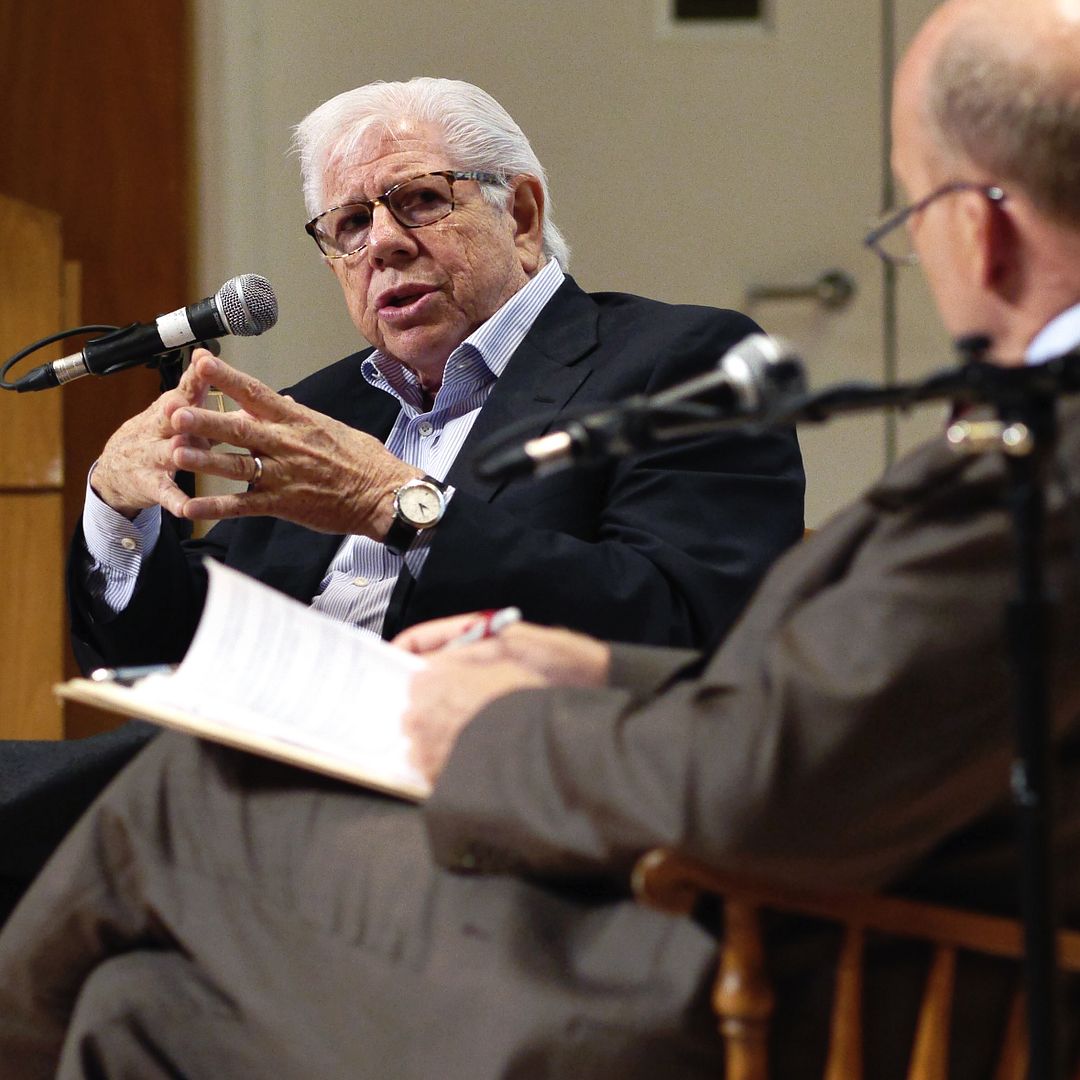
Many experts will point to how you should run audio externally – and so a headphone jack doesn’t matter. But adding a large Beachtek box below your camera to run audio, or carrying an audio recorder just adds weight to your kit. If you’re journalizing for a long period of time or traveling, lightweight gear trumps everything. I’ve run audio straight into the camera using all manner of microphones and have been just fine in all cases. It’s even the case in the video in the link above – which was recorded with Sennheiser wireless mics or a Nikon ME-1 shotgun microphone.

I keep a list of camera recommendations for student journalists – it’s a question I get asked time and time again. After 6 months of using the GH3, it’s safe to say that it, too, alongside the Canon and Nikon models would be worth the look of many visual journalists.
To be clear – it requires a different way of thinking. It requires a whole new set of equipment. It requires giving up a few things that journalists love about DSLRs for some arguably small gains. Despite this, if you’re not invested heavily in any system yet – mirrorless systems are finally worth a look for multimedia journalists.
In a time where journalists are being asked to do more with less – at least the “less” in this equation doesn’t mean much of a compromise when it comes to multimedia journalism.
Mirrorless systems today are worth a look from those raised on traditional DSLRs.
—
Wasim Ahmad spent six years at newspapers in Minnesota, Florida and upstate New York before coming to Stony Brook University as an assistant professor in Fall 2009. He graduated with a Bachelor of Arts degree in English from
Binghamton University and a Master of Science in photography at Syracuse University, and teaches multimedia and Web journalism classes at Stony Brook.
Olympus OM-D E-M10 Hands On Review
E-M1 versenkt: Helge unterwegs in Ägypten (Pen And Tell).
Well known Russian photographer Dmitriy Zverev talks about the OMD at Rosphoto (google translation here).
New version of Metabones Canon FD M43 Speed Booster is compatible with Olympus OM-D E-M1.
Stylus 1 sensor test at DxOmark.
Panasonic Lumix GM1 Review at Imaging Resource.
E-M10 test at Kasyapa.
Olympus OM-D E-M10 14-42mm EZ ED MSC Lens Sample Photos (ePhotozine).
Panasonic Lumix G Vario 12-32mm f/3.5-5.6 ASPH. Lens Review (ePhotozine).
Photography Playground: Kunst mit der Olympus OM-D E-M10 erleben (SystemKameraForum).
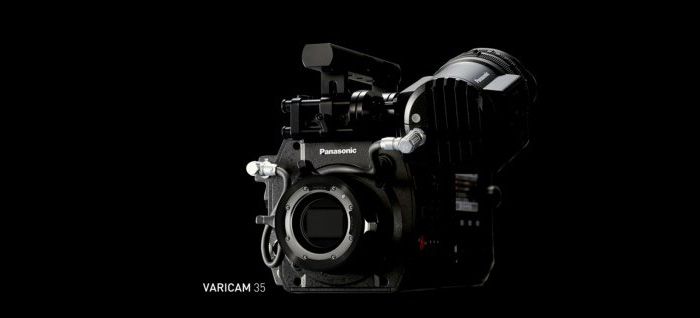
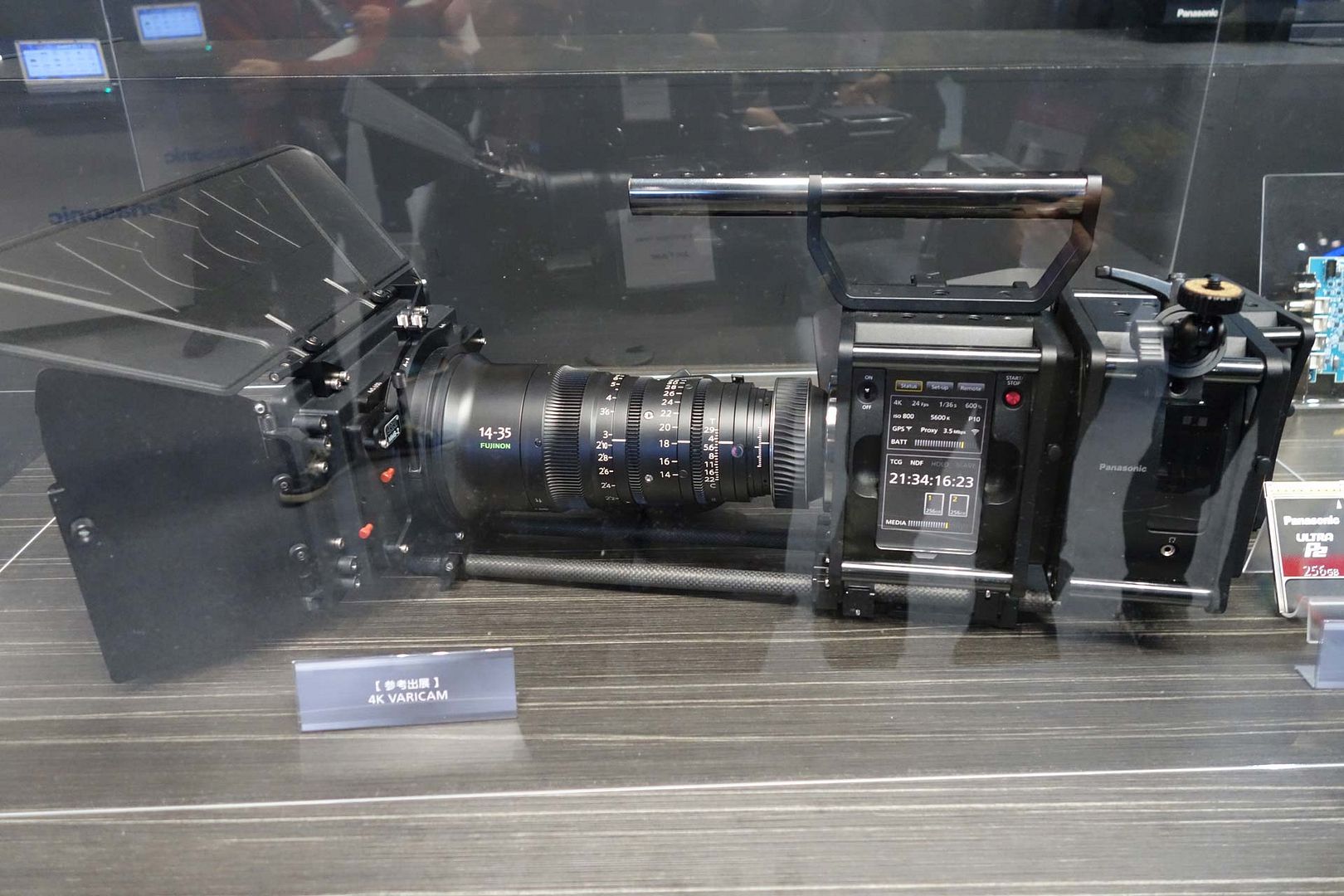
After the GH4 Panasonic launched the next 4K camera. But this time it’s a proper camcorder and has PL mount instead of the GH4’s MFT mount. it also features a Super 35mm CMOS sensor and it’s interesting to read what they added on that camera compared to the GH4!
Here are the main specs of the camera (Courtesy: Nofilmschool):
4096 x 2160 Super 35mm CMOS sensor
14+ Stops of Dynamic Range
PL Mount
Internal 4K up to 120fps
Records 4K & UHD in AVC-ULTRA 4K
Records 2K & HD in AVC-Intra 100/200
Capable of 4K RAW
1.5 to 6 Mbps Proxies
Two expressP2 card slots (Record 130 minutes of 4K/24p with these cards)
Two microP2 card slots (for HD and 2K)
Four 3G-HD-SDI Outputs for 4K QUAD
Two 3G-HD-SDI Outputs for RAW
HD-SDI out for monitoring (down-converting from 4K)
Two XLR inputs can record four channels of 24-bit, 48KHz audio
Removable Control Panel
OLED Viewfinder with Optical Zoom
Availability: Fall 2014
Price: TBA
Really a beast of the camera that could compete against the giants of the movie industry like Arri or Sony!
News found via FDtimes, Nofilmschool
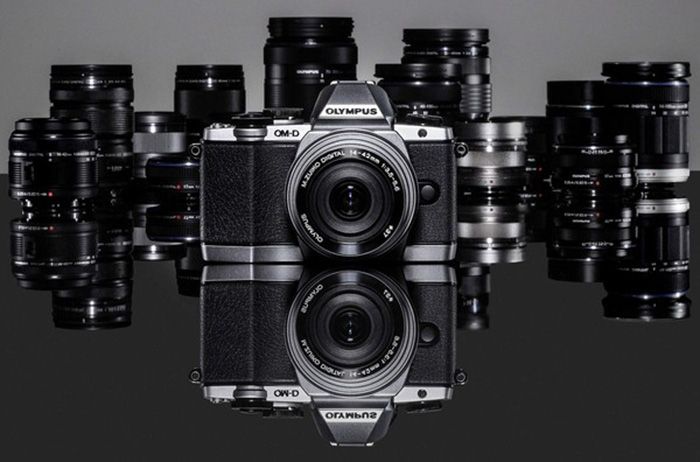
Dpreview posted the .Olympus OM-D E-M10 shooting experience and studio test:
Overall it feels like an E-M1 Light – in both the literal and metaphorical sense. It’s a little less weight to carry, a little more space in my bag saved. Some features have been cut down (though not many, considering the price difference) but what’s left feels like an incredibly fun and responsive device, a little more than you’d expect from a casual go-everywhere camera, pushing on towards semi-pro territory.
And they also published an Interview with Hirofumi Imano of Olympus:
– but we’re actively working to optimize video performance in our lineup of both cameras and lenses.
– more of our customers in the US and Europe are vocal about wanting more advanced video functionality than in Japan and Asia, and our Asian customers are more vocal about ergonomics – things like how the dials feel. They’re very picky.
Interesting Imano says there are a couple of reasons why mirrorless isn’t selling very well in Europe and US:
– Perception that cameras from bigger brands are better
– Perception that bigger sensor size is better (for a long time mirrorless was MFT only and after APS-C sensor only)
– It would help if Canon and Nikon would make serious mirrorless cameras
Store links for US and Europe:
Special page with all new products at Amazon.
E-M10 Black at Amazon, BHphoto, Adorama, GetOlympus. In EU at Wex UK, Amazon Germany.
E-M10 Silver at Amazon, BHphoto, Adorama, GetOlympus. In EU at Wex UK, Amazon Germany.
E-M10 with 14-42mm lens Black at Amazon, BHphoto, Adorama , GetOlympus. In EU at Wex UK, Amazon Germany.
E-M10 with 14-42mm lens Silver at Amazon, BHphoto, Adorama, GetOlympus. In EU at Wex UK, Amazon Germany.
25mm f/1.8 Black at Amazon, BHphoto, Adorama, GetOlympus. In EU at Wex UK, Amazon Germany.
25mm f/1.8 Silver at Amazon, BHphoto, Adorama, GetOlympus. In EU at Wex UK, Amazon Germany.
14-42mm Black at Amazon, BHphoto, Adorama, GetOlympus. In EU at Wex UK, Amazon Germany.
14-42mm Silver at Amazon, BHphoto, Adorama, GetOlympus. In EU at Wex UK, Amazon Germany.
Olympus SP-100 at Amazon, BHphoto, Adorama.
Olympus TG-850 iHS at Amazon, BHphoto, Adorama.
Olympus ECG-1 Black Camera Grip for E-M10 at Amazon, Adorama.
Olympus 9mm f8.0 Fisheye Body Cap Lens at Adorama, GetOlympus. In EU at Wex Uk.
Olympus V321200BW000 Macro Converter MCON-P02 (Black) at Amazon,