a bit of everything…


Olympus TG-5 Best Camera Settings for Underwater Photography Part 1: Macro Photo with a Strobe

New Oriental Hobby grip for the GX9 (DC.watch).
Hohem Smartphone Gimbal (Personal View).
Pocketable Power: The Bolt PocketMax Battery Pack (Explora).
Kowa Prominar MFT 12 mm f/1.8 T1.9 – sample images (Lenstip).

Share your best pictures on our new Instagram MicroFourThirdsGallery.

Plenty of news on the facebook E-M1II group and the GH5 group.

Dave:Wondering if you’d share short video shot on the GH5 during a mid-term autumn break here in Australia. A weekend on a quiet river under the largest river red gum forest in the world. The perfect antidote to work and city life. On a side note: I’m loving the new colour tools in the latest version of FCPX; and can confirm that Safari browser will not show 4K videos recently uploaded to YouTube – the workaround is to use Chrome. LINK: https://youtu.be/_-DGT9OPhAs


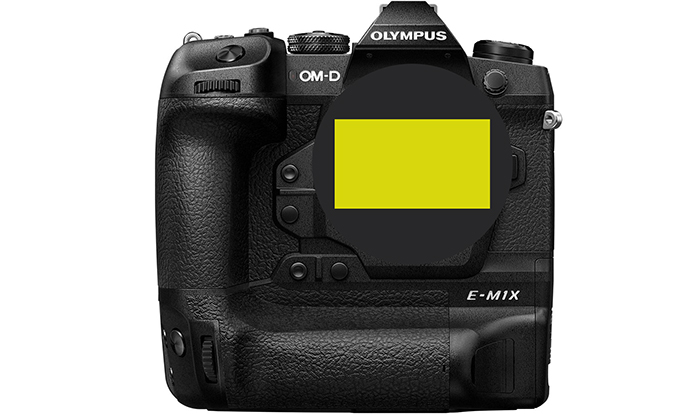
Why should Olympus venture into full frame in 2019 (by sneye)

[shoplink 28222 ebay][/shoplink]
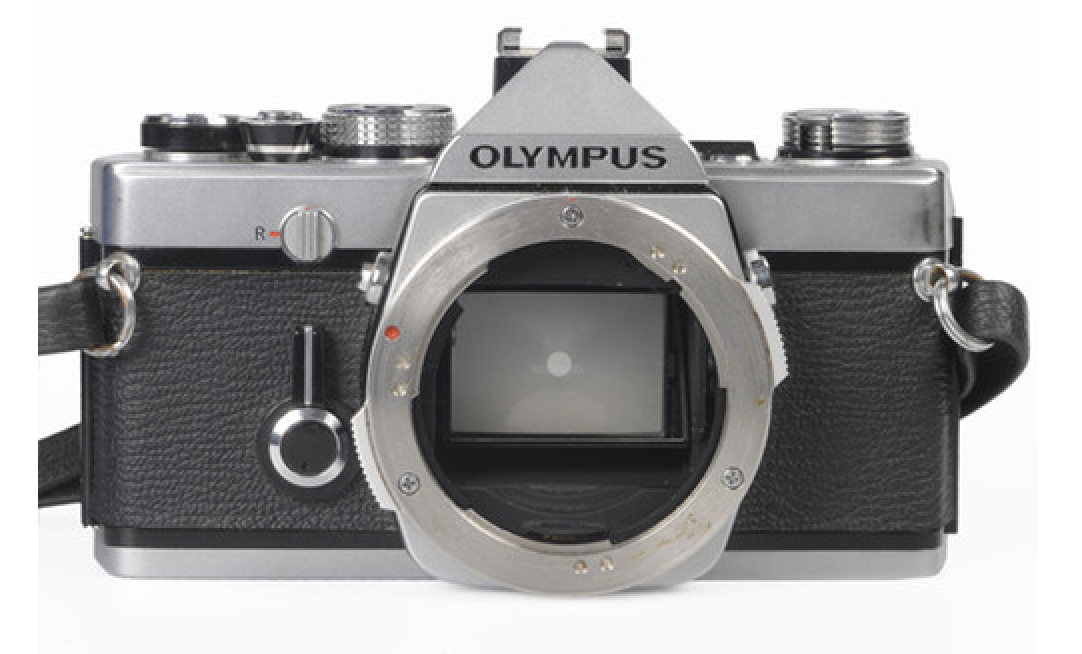
Image on top. The “Full Frame” [shoplink 28222 ebay]OM-1 film camera[/shoplink].
This is a guest post from our reader Sneye:
Why should Olympus venture into full frame in 2019

I have been a mostly satisfied user of the 4/3 and Micro 4/3 systems for the past decade. I always considered those systems good enough for my needs and enjoyed their versatility and endurance a lot. But the times are changing and with smartphone cameras edging ever closer to the established systems in image quality and in usability – 2019 might be the right time for Olympus to try something new. Here’s why.

2019 will mark the beginning of the process whereby Canon and Nikon abandon their mirrored mounts. This is expected to give the camera market a good shake. Long time users of Canon or Nikon gear will be freed off their imposed loyalty. It’s a good timing for smaller players to throw in their own disruptions. Olympus has acquired some expertise in various aspects of the mirrorless  technology and imaging in general. These days it offers a system that is physically robust, offers great JPEG out of the camera and is mostly fuss-free due to great AF and stabilization. Combine this low-maintenance philosophy with a larger sensor and you have serious competition to every other system on the market. Olympus will be bound to design and produce many new lenses in a short time, but so will Canon and Nikon. If the back flange distance is large enough, good lenses could be small and relatively simple to manufacture.

The progress in sensor technology has been slowing down in the past decade. Thus no real improvements in image quality are expected between camera generations, which manifests itself in a slowing market. In such a climate players are compelled to increase margins by concentrating on high-end products. Tge high pricing of the E-M1 mark II puts it in uncomfortable competition with larger formats. Olympus will not be able to get away with it for long. It will have to either reduce the price of its flagship or make it more competitive. To many users lens size alone is not regarded an adequate justification for paying a premium.

Phone cameras have been nibbling at the market for a while now and with multiple synchronized exposures becoming standard Micro 4/3 does not seem advantageous enough for Olympus to sit on its laurels. Of course, some aspects of computational imaging will make their way into “real” photography, but others will not due to bulkiness and complication. A larger sensor will at least buy Olympus a few more years in the game.

Bildschirmfoto 2016-01-22 um 07.22.30
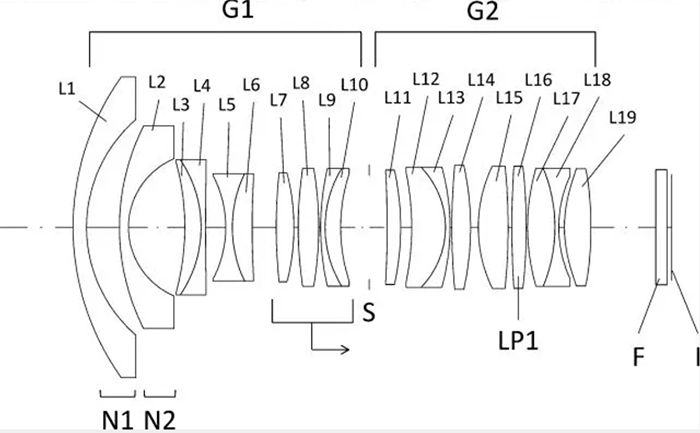
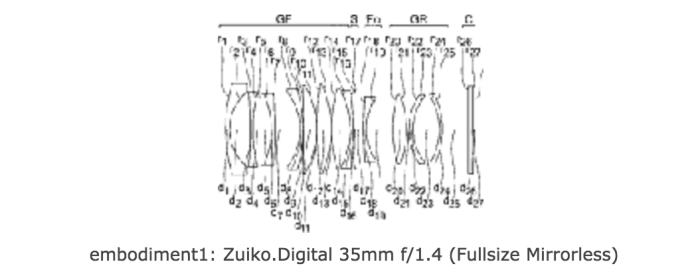
The Olympus patent describing a 35mm f/1.4 FF lens for a FF mirrorless
Evidence

2019 is Oly’s century anniversary. A good occasion to rethink and replan. Iit’s a good occasion to release something special, too.
Olympus has filed a few FF lens patents. As far as I know they are yet to be incarnated in actual optics in other systems, so they might be intended for use by Olympus itself.

The latest rumor suggests a new OMD camera announcement early next year. The time frame does not match the life cycles of existing OMDs (the E-M5 mark III should be announced before Photokina), but rather Canon’s and Nikon’s mirrorless announcements.

To end this discussion, I personally think that the real life advantage of full frame cameras over 4/3 has never been less significant (I use both formats). Most Micro 4/3 users do not need FF, even many of those who think they do. Nevertheless, due to a peculiar combination of circumstances Olympus can benefit from such an investment. Refraining from making it might mark the beginning of the end for Olympus Imaging.

Sneye

 

a bit of everything…


Sunset Expedition with the Olympus E-M1 Mark II

Did a 17LB. Lobster just destroy some of our GH5 footage??? or did Drew F up? Road Trip Challenges (CRFTSHO).
Super fast photography with the Lumix G9 (Smallworldlivelarge).
Minimalist What’s In My Camera Bag – Micro Four Thirds Travel (Bajigurwedangronde)
Insta360 Titan 10K VR 360 Stereo Camera (Personal View).
Tools of the Trade for Panoramic Photographers (Explora).

Share your best pictures on our new Instagram MicroFourThirdsGallery.

Plenty of news on the facebook E-M1II group and the GH5 group.

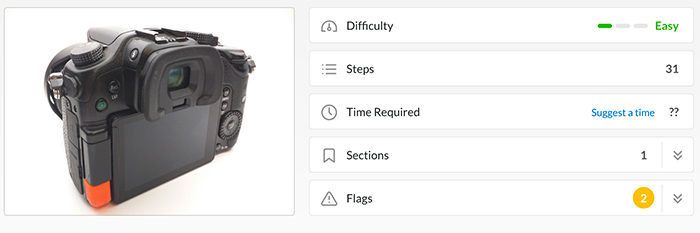
Panasonic Lumix DMC-GH3/GH4 LCD Hinge Cover Replacement guide

Anthony Kouttron sent me this useful information:

I have been repairing lumix Gh series cameras for several years now, but something I have been noticing with the GH3 and GH4 cameras is the failure of the LCD hinge cap. They crack over time from just normal use. panasonic does not sell these parts leaving your camera lcd cable exposed to damage. I CADed up this hinge cap for free for someone to download and print. I made a guide here. It is a guide on ifixit, so the images and media are under a creative commons license. Feel free to link it!

https://www.ifixit.com/Guide/Panasonic+Lumix+DMC-GH3+LCD+Hinge+Cover+Replacement/108291

Thanks Anthony!

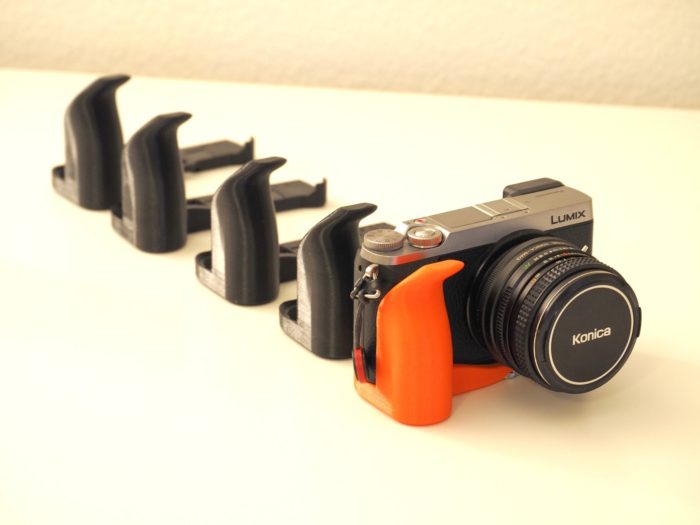
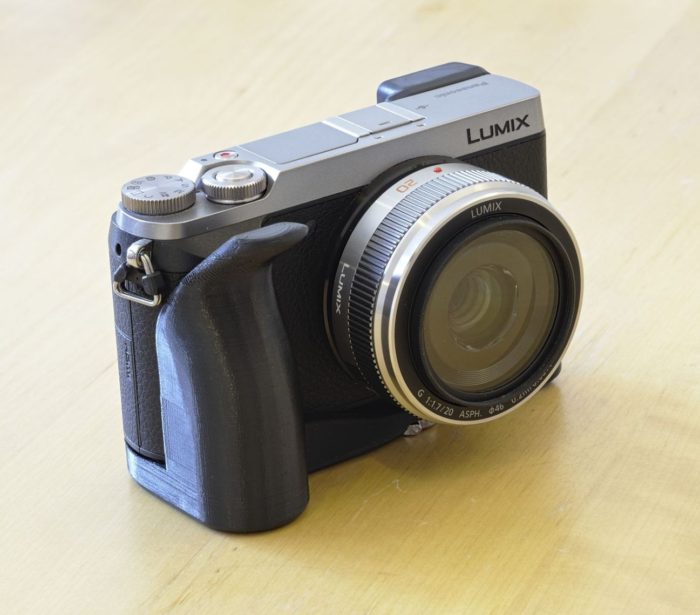
You can now 3D print your GX80 / GX85 Grip

Isaac sent me this:

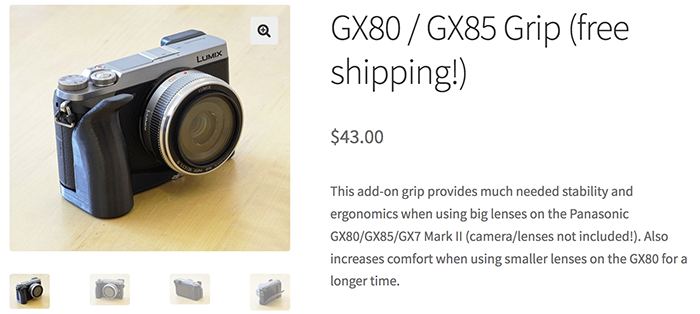
I have made an add-on grip for the Panasonic GX80/GX85 camera. People on Facebook really liked the grip, so I have made a small website where you can buy it: https://ibd.murff.ch/gx80grip/?product=gx80-gx85-grip-free-shipping
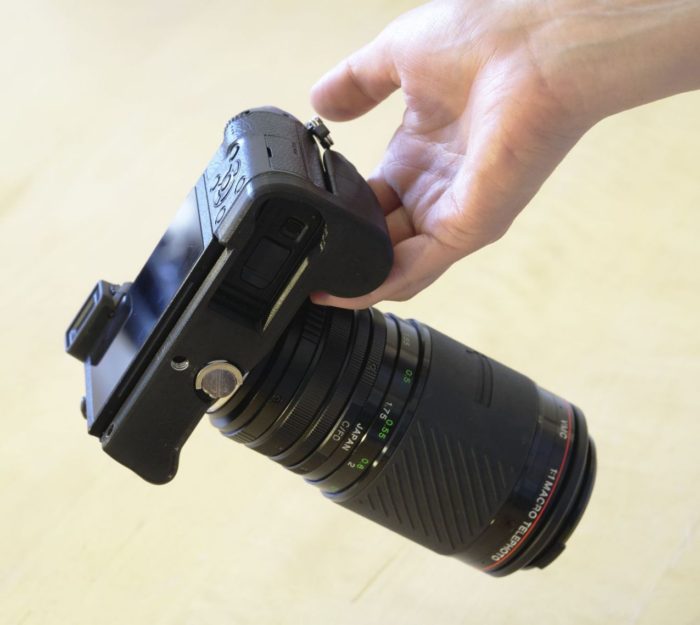
The grip is better than Panasonic’s official grip because you can access the battery and the SD card slot while the grip is installed. Also, it is cheaper with shipping included.
The grip is NOT completely compatible with the GX9. The GX9 has a different battery compartment shape, so you wouldn’t be able to open it with this grip.

a bit of everything…


M.Zuiko Digital ED 17mm 1:1.2 PRO – In-Depth with Gordon Laing

Basketball with the london lions (Olympus UK).
Q&A ► Bulb Mode on GH5 (PhotoJoseph).
Panasonic Leica 200mm f/2.8 Examples (Diglloyd).
Kinefinity Mavo Cinema Cameras and Mavo Cinema Primes (Personal View).
Cameras on 25 Interplanetary Spacecraft (Explora).

Share your best pictures on our new Instagram MicroFourThirdsGallery.

Plenty of news on the facebook E-M1II group and the GH5 group.

Michael Fowler:Lumix g85 with the SLR Magic 25mm t0.95. absolute favorite lens for m43. critique is welcome! https://www.youtube.com/watch?v=HsaoxE3yiEM

Olympus shows new Multi-Storied Photodiode Sensor

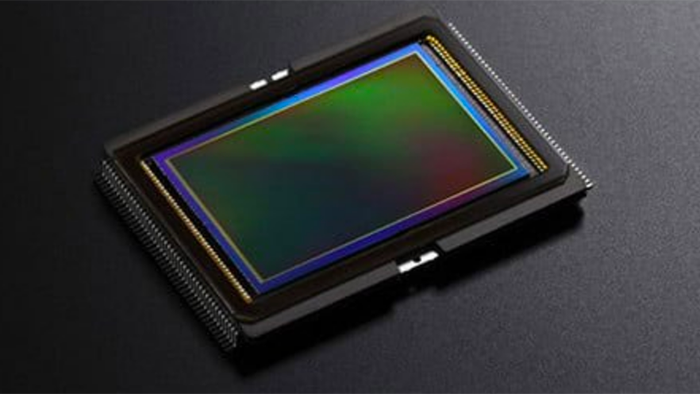
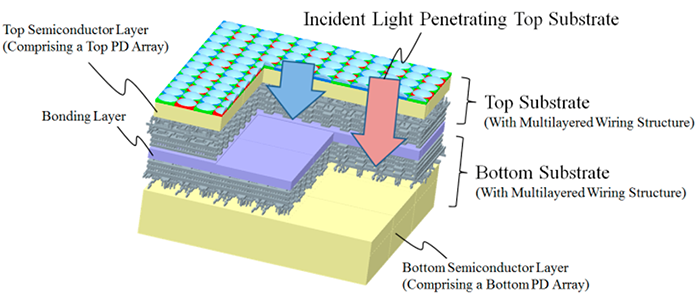
A new Olympus paper discloses the details about the “Multiband Imaging CMOS Image Sensor with Multi-Storied Photodiode Structure“:

“We developed a multiband imaging CMOS image sensor (CIS) with a multi-storied photodiode structure, which comprises two photodiode (PD) arrays that capture two different images, visible red, green, and blue (RGB) and near infrared (NIR) images at the same time. The sensor enables us to capture a wide variety of multiband images which is not limited to conventional visible RGB images taken with a Bayer filter or to invisible NIR images. Its wiring layers between two PD arrays can have an optically optimized effect by modifying its material and thickness on the bottom PD array. The incident light angle on the bottom PD depends on the thickness and structure of the wiring and bonding layer, and the structure can act as an optical filter. Its wide-range sensitivity and optimized optical filtering structure enable us to create the images of specific bands of light waves in addition to visible RGB images without designated pixels for IR among same pixel arrays without additional optical components. Our sensor will push the envelope of capturing a wide variety of multiband images.”

As usual with those papers…we don’t know if such tech will be used on future Olympus cameras. but it shows Olympus is working to develop their own sensor tech.

via Image Sensor World