Important note: We are not talking about politics here, but simply about the economic impact of the new tariffs on camera gear.
Yesterday, Trump announced hefty tariffs that will affect the entire camera industry. That’s why I’ve grown tired of analyzing the possible consequences in the form of price increases. Let’s first look at where the companies manufacture their equipment
Canon – Japan, Taiwan, Malaysia, Thailand, and China
Nikon – Thailand and Japan
Sony – Thailand and China
Fujifilm – Japan and China
Panasonic – China and Malaysia
OM System – Vietnam and China
Leica – Germany and Portugal
Sigma – Japan
Tamron – China and Vietnam
Assuming that camera manufacturers have very little room to offset these tariffs through some sort of cost reduction, US consumers will have to pay the tariffs on the camera/lens equipment. I have provided some examples in this table:
This is just a theoretical calculation of the possible price increases. There are many variables that could change this:
Companies could decide to cut some of the profit margins to offset the tariffs
Negotiations between US and other countries could change the tariff rates in the near future
I don’t know when these price increases will come into effect at shops like BHphoto and Amazon. The current cameras that are in stock are still ‘duty free’. But any new stock of cameras coming into the country will be affected by the new tariffs. I would suggest you to buy the gear now!
The bad news for all of us:
I have heard from managers that companies should slow down the introduction of new products due to the great uncertainty of this situation. They need to evaluate the following two important points:
Wait for negotiations to happen and see if tariffs will indeed change
Asses how much the tariffs will affect the sales of cameras and lenses on the US market
Big mess:
Again, this is not about politics, but solely about the economic consequences of such a measure. What is certain is that this is a big mess at the moment and the times ahead will be difficult.
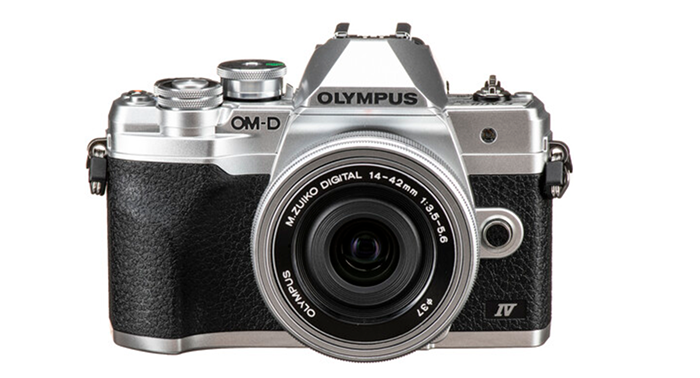
Kyle McDougall used the very affordable used Olympus OM-D E-M5II to make professional film scans. Kyle writes:
In this video, I’m testing out using Pixel Shift technology to get high-resolution film scans from lower MP sensors. I ended up going down a rabbit hole and eventually built a setup using an old and very affordable digital camera to see how it performs. The results surprised me!
We’re excited to announce another major update to Photo AI
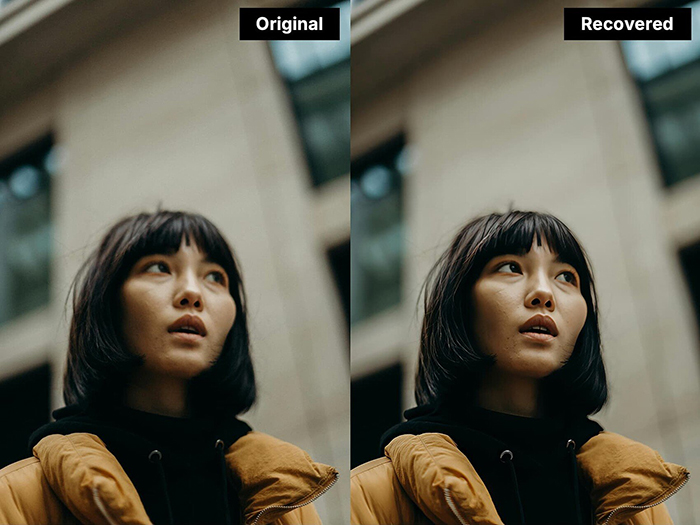
Super Focus v2: A second-generation of Super Focus and now our most powerful sharpening and focus recovery model EVER. Powered by the same architecture as Recovery v2, this model is 500% faster than before.
Super Focus is MEGA FAST in the Cloud: It’s true! This model is even FASTER in the cloud than some of our standard sharpening and upscaling models. This means the credit cost is super low in comparison to before. If you can’t run Super Focus v2 on your machine – no worries, because you’re gonna love this in the cloud.
Color Correction, Highlights, and Shadows with Adjust Lighting v2: Our second generation AI color and lighting filter is incredible, and now you can pick whether you want color correction on or off when applying the model to your images. You can also adjust highlights and shadows to boot.
More Improvements are also packed into this release, including a much-requested Zoom to Fit preference, new image formats and extensions (fancy JPG or JPEG? TIF or TIFF? no problem), and of course many other fixes and optimizations under the hood as well.