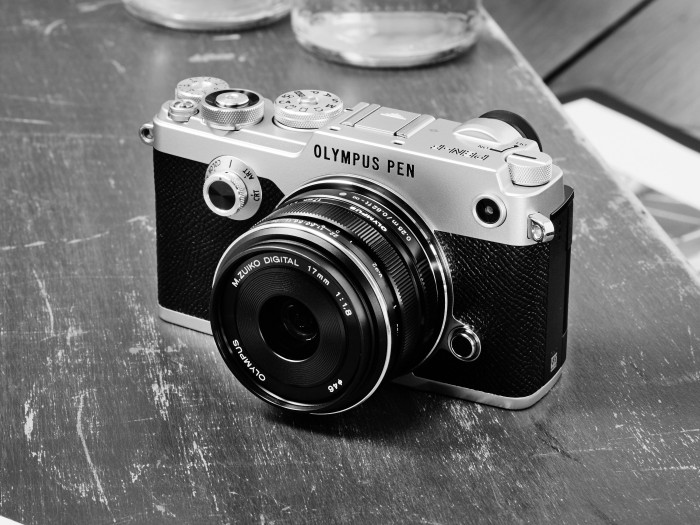
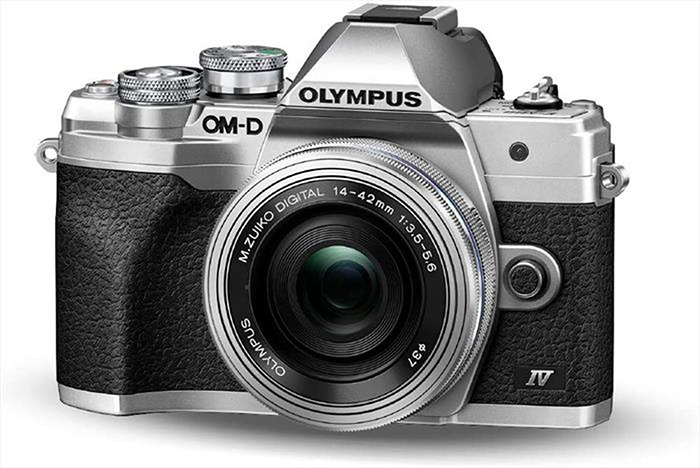
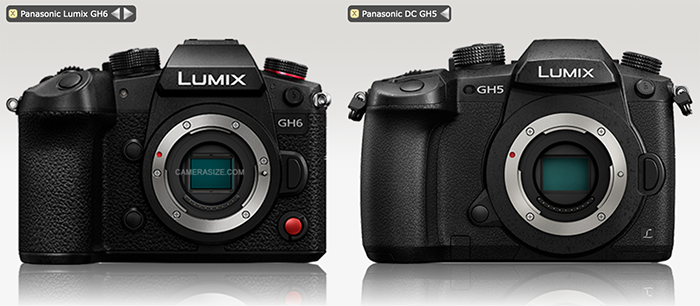
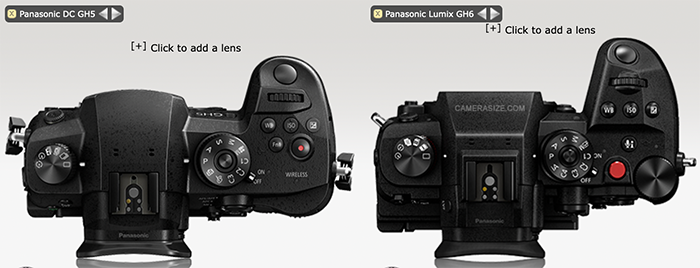
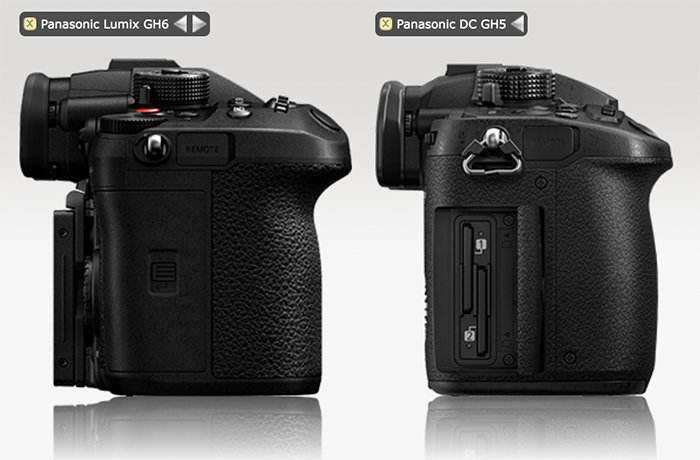
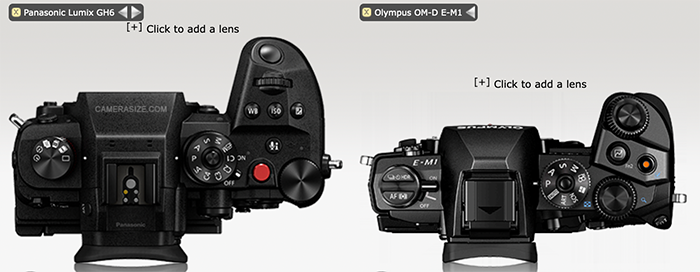
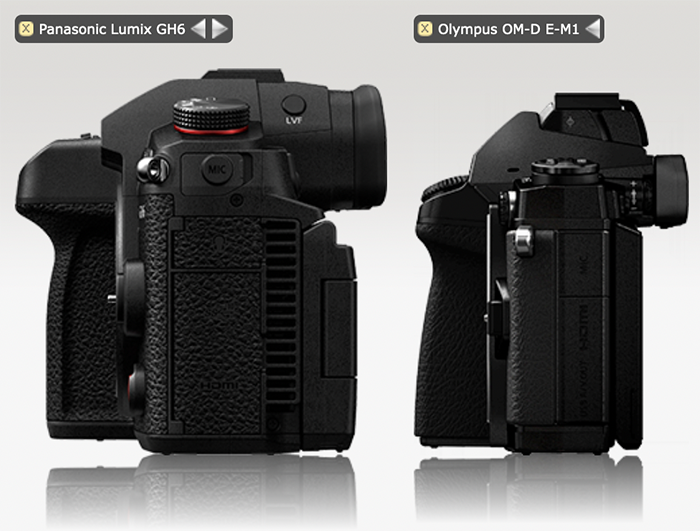
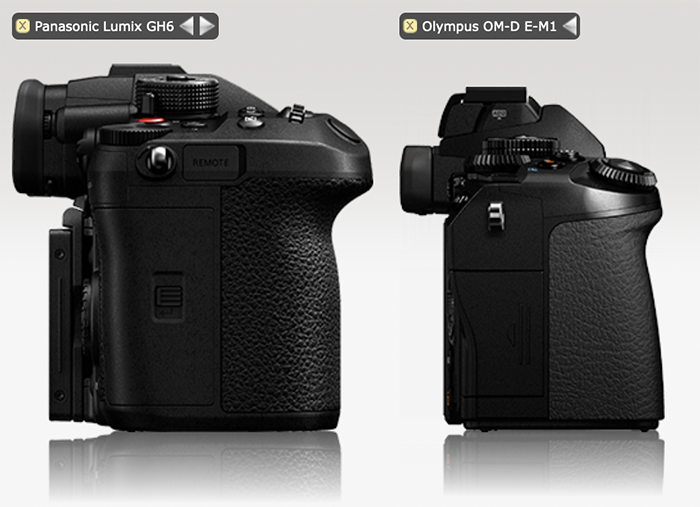
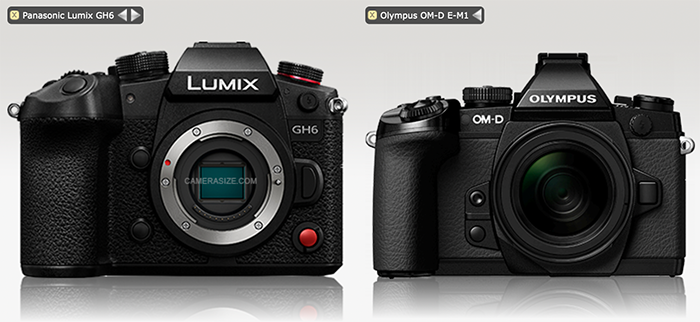
Let me start by asking if a Micro Four Third camera still has a valid place in today’s market. My answer is, absolutely yes, but mainly because of the vast amount of lenses out there. Originally, MFT had the upper hand when it comes to camera size, but in modern times, this advantage has disappeared. While it’s great to see Panasonic committing to this format, I’m sure it is not easy to develop two separate lines (MFT next to full-frame) considering the costs involved. I’m very curious to see how this will evolve throughout the upcoming years.
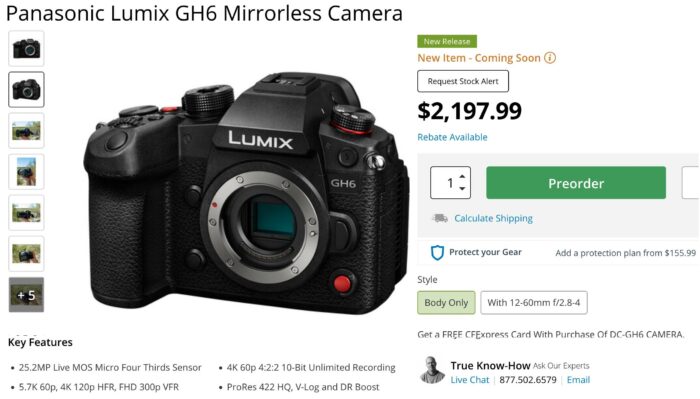
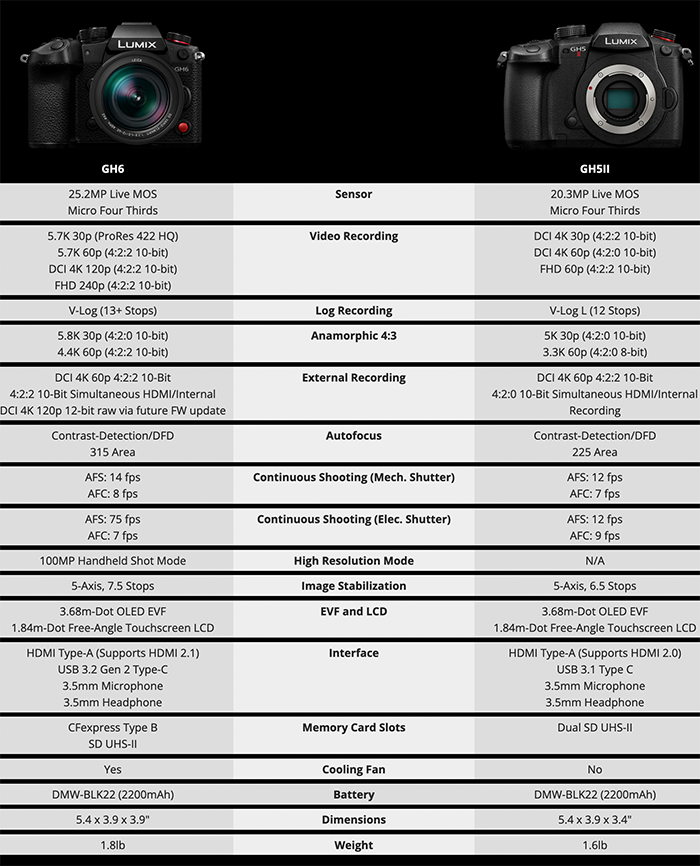
In regards to the LUMIX GH6 itself, I really like what Panasonic did here. One noticeable improvement is the overall color “pipeline”. If in the past I highlighted the fact that images are hard to grade (too reddish) and “too smooth” (Extensive noise reduction), now it is a think of the past. So all in all, It is a great overall performer.
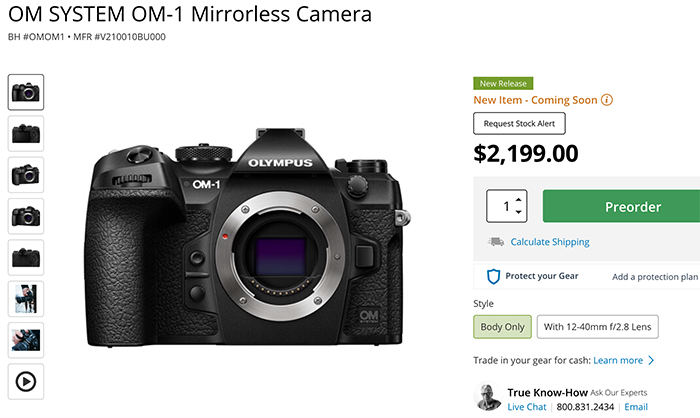
I also want to dedicate a short paragraph to OM System, a direct competitor, which coincidentally, brought their OM-1 on the market at the same. Although I did not have a chance to test their new camera, it seems as if there is very little to compare, besides the sensor size. If you are a filmmaker, the LUMIX GH6 might be the wiser purchase over the OM-1 as both are at the same exact price point.
Talking about price, I really wonder how the filming community will react as Panasonic is currently running a special promotion at B&H and one can get the LUMIX S5 full-frame camera body only at $1898, or, with a 20-60mm lens for $2198. This aggressive pricing can only confuse potential customers and result in them buying nothing. If Panasonic cares about selling as many possible GH6 cameras, the advantage should be definite.
Aside from very low light shooting, capturing the most high contrast scenes and when I need the absolute shallowest depth of field, the GH6 outperforms my current favorite video camera, the S1H. The headline features like 5.7K unlimited recording and 4K/120p certainly excited me, but the main things that make me really want this camera are the smart inclusions like the 4 channel audio, punch-in focus while rolling, and 100MP handheld hi-res capture with motion correction.
This camera will make me leave the S1H at home for the majority of DPReview TV shoots, and that means Micro Four Thirds is alive and well.
It seems that the engine has “still” room to grow. At the time of the meeting, I asked the development staff, but the deep learning computing power is 60 times that of the previous ones, and it has not been used up yet. Isn’t there firmware (update)? You said that there is still room for development, so I would like to look forward to future evolution in the same way as everyone else. * Slightly simplified what we are talking about