

Kowa lenses on the OM-1

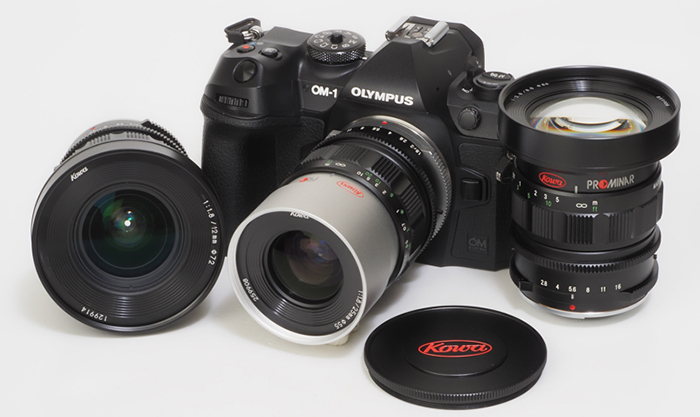
DC.watch posted some test shots with the Kowa lenses on the OM-1. Here are the three lenses they used:
PROMINAR 8.5mm F2.8
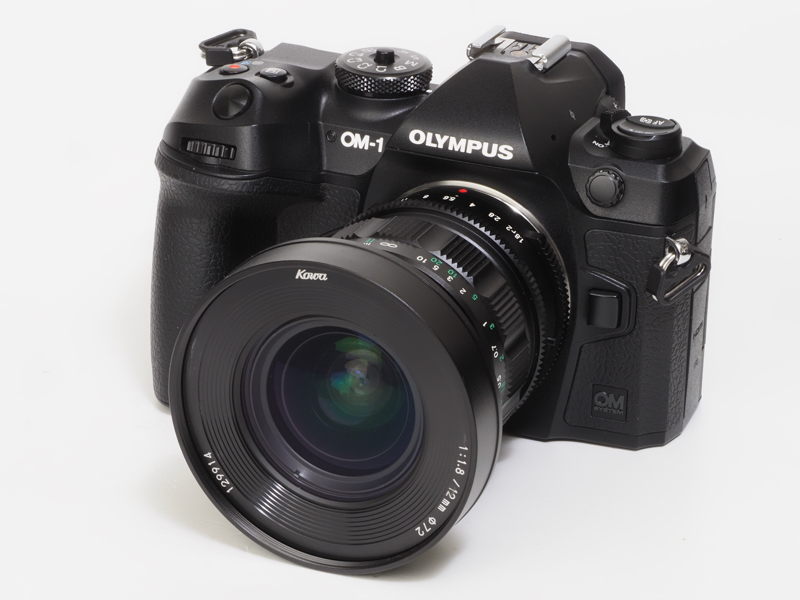
PROMINAR 12mm F1.8
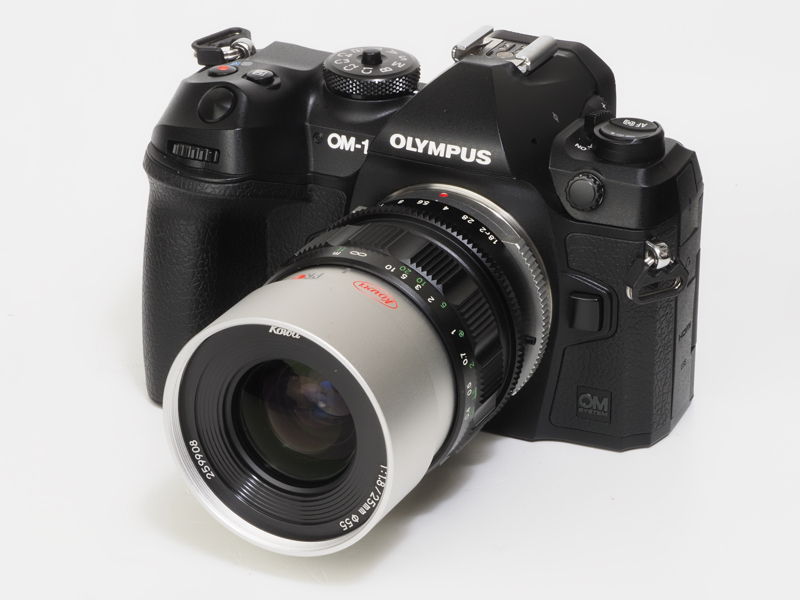
ROMINAR 25mm F1.8

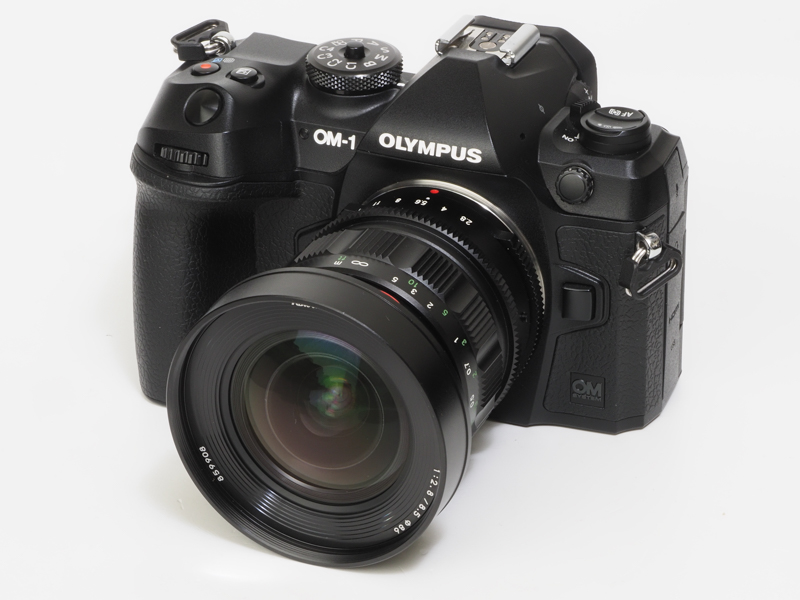
DC.watch posted some test shots with the Kowa lenses on the OM-1. Here are the three lenses they used:
PROMINAR 8.5mm F2.8
PROMINAR 12mm F1.8
ROMINAR 25mm F1.8
Street Photography – How To Approach?
Today deals at Amazon, BHphoto, Adorama, Amazon DE, Amazon UK, Amazon FR, Amazon IT, FotoErhardt DE, FotoKoch DE.
Does resolution matter? (ThatMFTguy).
Nanlite Refreshes PavoTubes and Forza LEDs, Expands FS-Series (Explora).
Samsung unveils 200MP camera sensor that’s likely to appear in the Galaxy S23 Ultra (Engadget).
What is a Rolling Shutter And How to Prevent It (42West).
Plenty of news on the facebook OMD group, Panasonic FF and the GH5 group.

Both the Video AI and Imagq Quality AI app got a $50 discount (Click here).
And til January 31 you save 20% on Skylum Luminar Neo and all extensions (Click here).
Reminder:
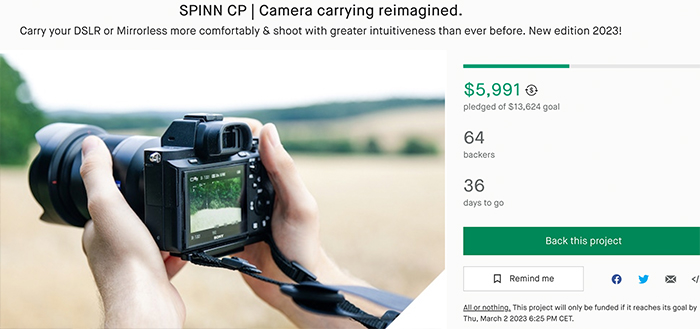
The new Spinn CP is now available on Kickstarter (Click here). It’s a different way to carry your camera and an update to their previous CP version. It now comes with two different base plates and a adjustable comfort strap made in five colours. From recycled raw materials.
With insane specs, new firmware updates, unbeatable features, and a massive sale, how does the Panasonic GH6 stack up in 2023?
GH6 at BHphoto, Amazon, Adorama. In EU at Fotokoch DE, Calumet DE, Foto Erhardt DE. WexUK, Park UK.
Panasonic 2023 CES Press Conference
Today deals at Amazon, BHphoto, Adorama, Amazon DE, Amazon UK, Amazon FR, Amazon IT, FotoErhardt DE, FotoKoch DE.
LUMIX S5ii Game Changer? // Hypecast with Emily from Micro Four Nerds
Best Travel Camera Cases for Your Equipment (42West).
DJI Announces the Travel-Friendly RS 3 Mini Gimbal and Accessories (Explora).
OM-5 review by Kitamura
Plenty of news on the facebook OMD group, Panasonic FF and the GH5 group.
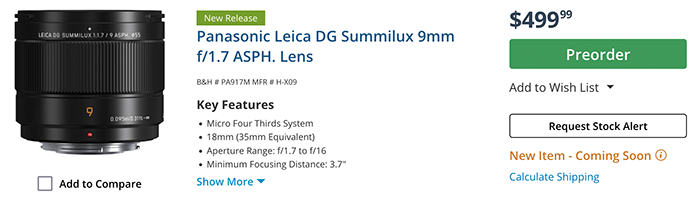
Preorders at 9mm lens at BHphoto. Adorama. Amazon. FotoKoch DE. FotoErhardt DE. WexUK.
Lenstip tested the Leica 9mm lens and concluded:
I admit the Panasonic Leica DG Summilux 9 mm f/1.7 ASPH appeals to me a lot. It is shapely, lightweight, fast, and optically good. What’s interesting, despite a ‘Leica’ inscription on its barrel, its price is also acceptable – you can buy it for a almost $500.
If I was inclined to pick holes in that picture I would start with the parameters of the tested model. After all we have an outstanding Panasonic Leica DG Vario-Summilux 10-25 mm f/1.7 ASPH that at 10 mm focal length is even sharper than the Panaleica, tested here. It seems these two Panasonic lenses are direct rivals – I suppose if you buy the 10-25 mm model you won’t even look at the 1.7/9 instrument. If Panasonic shortened the focal length to 7-8 mm or added a faster aperture, say an f/1.4, it would change. On the other hand such parameters as 7 mm and f/1.7 are much harder to correct – I guess such a lens wouldn’t be so shapely and lightweight anymore.Anyway I am so happy that we’ve got such an interesting alternative in the system: if you don’t care so much about weight and dimensions you can have the PanaLeica 10-25 mm, a truly universal and optically brilliant instrument. If you want to take something small on a trip during which you plan to enjoy day or nighttime landscape photography, the shapely, fast, and optically good Panasonic Leica DG Summilux 9 mm f/1.7 ASPH will be a perfect companion without adding several kilograms of equipment to your back.
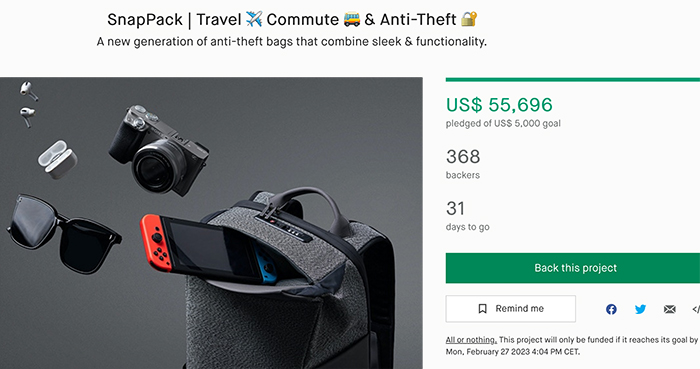
The new Korin Anti-Theft bag launched on Kickstarter (Click here). No knife can cut this bag!
More new Kickstarter projects:
The new Spinn CP is now available on Kickstarter (Click here). It’s a different way to carry your camera and an update to their previous CP version. It now comes with two different base plates and a adjustable comfort strap made in five colours. From recycled raw materials.
The new Power Junkie 2 is now available on Kickstarter (Click here).