Precise & Offline AI Background Removal with Aiarty Image Matting (40% OFF + Lifetime Free Upgrades)
Cutting out fine details like hair, fur, lace, or glass can be tedious. Even for Sony Alpha photographers with high-resolution RAW files, manual masking is slow, and online AI tools often struggle with semi-transparent areas, low-light images, or privacy concerns.
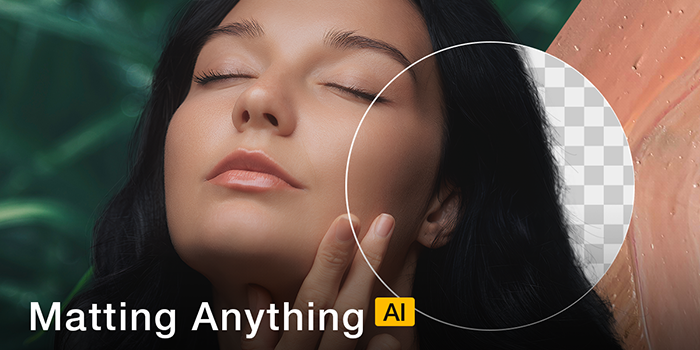
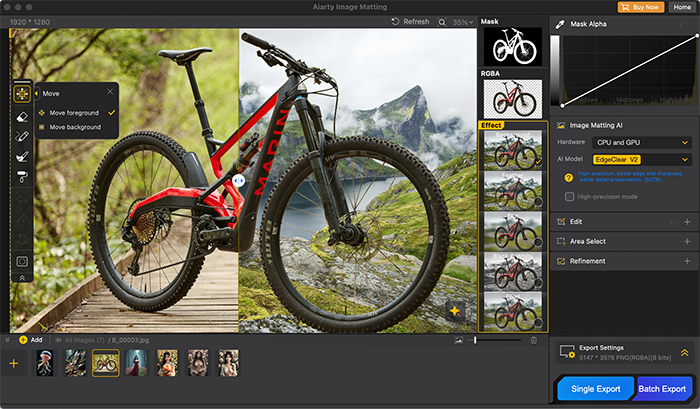
Aiarty Image Matting is a desktop AI tool that simplifies background removal, alpha matting, and seamless foreground blending—all offline, ensuring your images remain secure and private.
Supported Formats: Sony Alpha RAW (.arw, .sr2), Canon (.cr2, .cr3), Nikon (.nef), Fujifilm (.raf), Panasonic (.rw2), Olympus (.orf), plus standard formats like .jpg, .png, .heic, .tiff.
Batch Processing: Auto-detects subjects and replaces backgrounds across up to 3,000 images—perfect for product shoots or large projects.
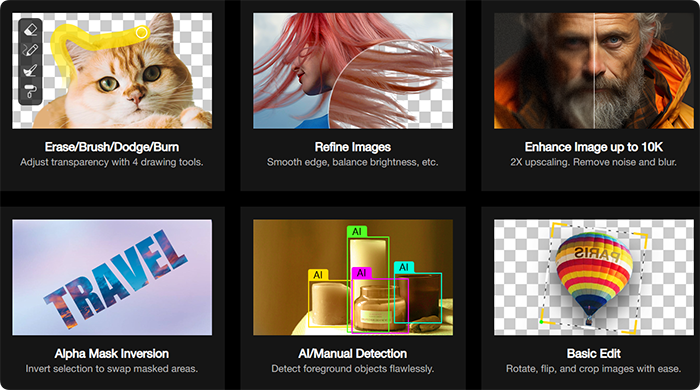
High-Res Output: 2× upscaling, exports up to 10K, with denoise and deblur.
Offline Performance: Optimized for NVIDIA/AMD/Intel GPUs and CPU, fully offline for secure, fast editing.
Quick & Easy Workflow
Load Image: Drag and drop your photo into Aiarty.
Choose AI Model: Select the best model based on your image.
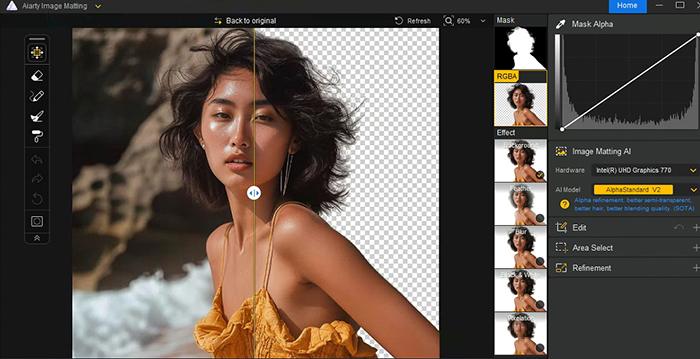
Automatic Matting: Let the AI separate the subject from the background.
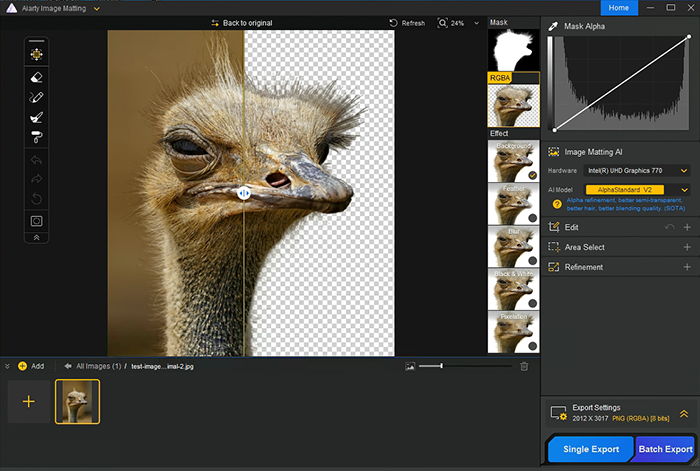
Refine (Optional): Use the built-in brush, eraser, and edge tools to clean up fine details. You can blur or replace the background, or leave it transparent.
Export: Save your image in full resolution or upscaled quality.
Four AI Models for Accurate Subject Separation
Aiarty offers 4 AI models for different image types. Whether handling hair, fur, feathers, semi-transparent objects, or emphasizing outlines, there’s a model for every scenario:
AlphaStandard V2: Smooth blend, optimized transparency for edges like wedding dresses, glass, water, hair, or pet fur.
AlphaEdge V2: Sharp edge focus for images where clarity matters more than soft blending.
EdgeClear V2: Precision matting for fine-detail objects like jewelry, birds, furniture, or vehicles.
SolidMat V2: Ideal for complex solid objects like books, shoes, phones, and furniture.
Replace Backgrounds in a Snap
Aiarty’s alpha matting allows non-destructive editing. Subjects can be masked for transparent backgrounds, replaced with new images, or turned into white background shots for clean product photography.
Precision Alpha Matting & Refinement Tools
Aiarty Image Matting effectively handles fine details like hair strands, fur, lace, tulle, glass, water droplets, and other semi-transparent textures with true alpha. It’s perfect for portraits, wildlife, and product photography where high attention to detail is required.
Once the background is removed, use the built-in brush, eraser, dodge, and burn tools to refine edges and perfect details. Adjust transparency, blur, feathering, and even add black-and-white effects to seamlessly blend subjects into new backgrounds.
Final Thoughts
Aiarty Image Matting simplifies background removal and matting, turning a time-consuming task into a fast, precise process. Whether you’re working on portraits, wildlife, or product photography, Aiarty offers a powerful yet easy-to-use solution for achieving professional-quality composites.
With lifetime updates and the ability to use on 3 computers, Aiarty is a cost-effective tool for photographers looking to streamline their workflow and improve efficiency.
The SanDisk Extreme Fit is remarkably small — the 1TB SSD weighs only 3 grams (0.1 oz) and measures 18.5 × 13.7 × 16 mm (0.7 × 0.5 × 0.6 in). In fact, its USB-C connector is nearly as long as the entire drive is thick. You can get it now in different capacities for $25 to up to $119 at Amazon.