Rumors classification explained (FT= FourThirds): FT1=1-20% chance the rumor is correct FT2=21-40% chance the rumor is correct FT3=41-60% chance the rumor is correct FT4=61-80% chance the rumor is correct FT5=81-99% chance the rumor is correct
Olympus just released a note on their E-M1II GetOlympus page (Click here) which says: Due to overwhelming demand new orders may not ship until January. And Olympus Japan today issued an official note to apologize for the slow shipment which is caused by the higher than expected demand. Bad news for customers but good new for Olympus :)
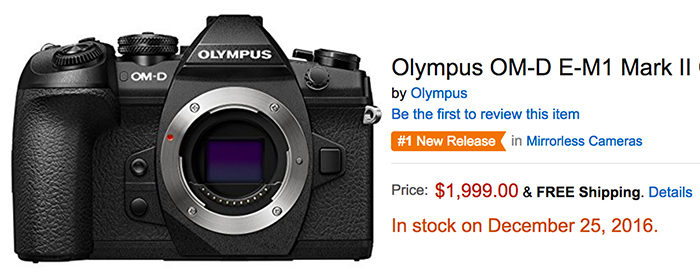
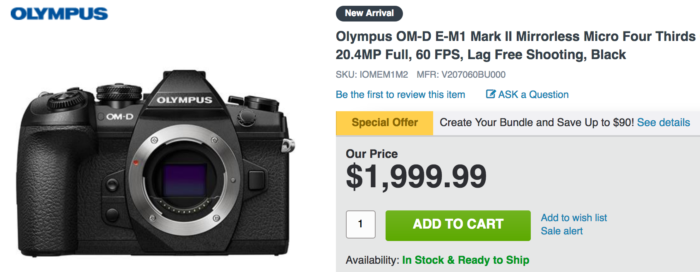
At Amazon (Click here) you will get the E-M1II on Christmas if you order it now.
I still shoot film (with the [shoplink 60642 ebay]Mamiya 7[/shoplink]) and I always wondered if it would be possible to get that “natural” and “irregular” film look on digital cameras. Ming Thein has an idea about that:
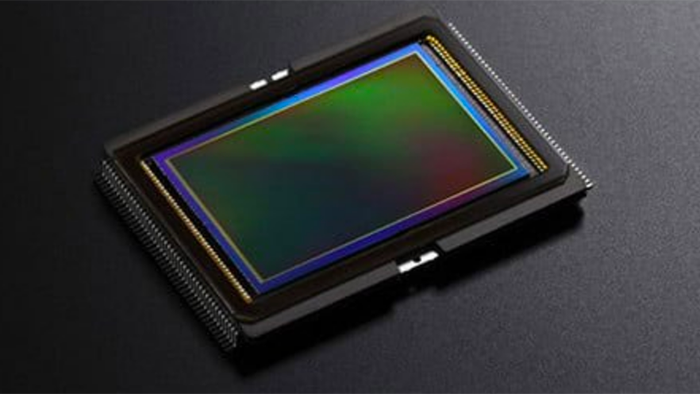
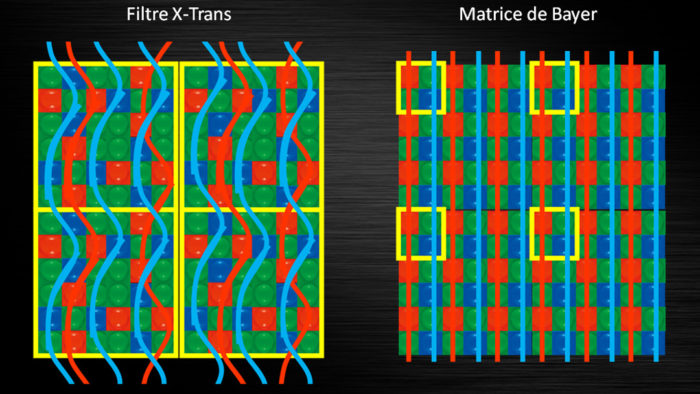
Here we come to the crux of the matter: I think the limitation of digital lies in the geometry and shape of the photosites, not the number or density. If we had irregular pixels (which could be a repeating pattern over a much larger area) the sensors would be able to better match the irregular nature of the subject (which in turn forms an irregular input signal). The pixels could be each the same area to avoid gain problems, and they could be fairly large in order to maintain good noise, color and dynamic range characteristics. Fuji tried to change the sensor with diagonal arrays and small-large arrays, but they were still fundamentally too regular – resulting in even worse strange artefacts because we were now trying to output an image with an underlying 45 degree structure onto a 90 degree orthogonal output medium. The files printed well, however, because of the dithering process during print explained previously.
If that would really work I hope Panasonic-Olympus will do such a sensor one day!
It is one of the best video-capable photo cameras that I have recently tested. The higher video data rate along with the excellent stabilisation system makes it a valid option as an A-camera working tool.
The camera is great if you don’t have access to, or can’t afford, other stabilisation. If you can only carry a single camera and little else, then there is no better option right now. If I were routinely shooting in war zones or bouncing around filming extreme sports I would be putting this camera towards the top of my list (although I might wait to see what kind of stabilisation Panasonic bring with the GH5 before committing).
Olympus OMD E-M1 II walking image stabilisation test – can it rival a gimbal? (Newsshooter)