

George Holden: Fujifilm vs Micro Four Thirds for Street Photography

According to George Holden, when it comes to street photography, two brands often stand out for their vintage aesthetics and practical usability: Fujifilm and Olympus (now OM System).
While neither Fujifilm nor Olympus use full-frame sensors, both bring unique advantages to the table. Fujifilm relies on APS-C sensors, while Olympus uses Micro Four Thirds. Surprisingly, for street photography, these smaller sensors can actually be a benefit—offering greater depth of field and compact lenses, perfect for everyday shooting on the go.
Fujifilm’s strength lies in its digital implementation of zone focusing, first introduced with the Fujifilm X-T2. This allows photographers to pre-set a focus distance and use depth of field for faster, more reliable shooting without depending on autofocus. Holden praises this feature for its precision and efficiency in fast-paced street environments.
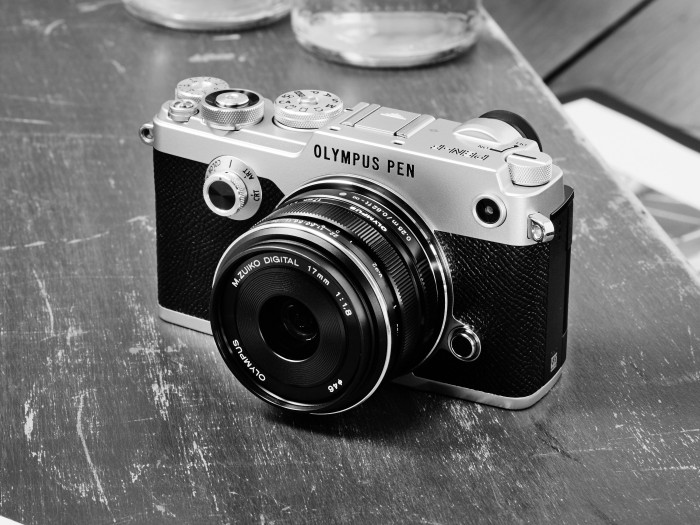
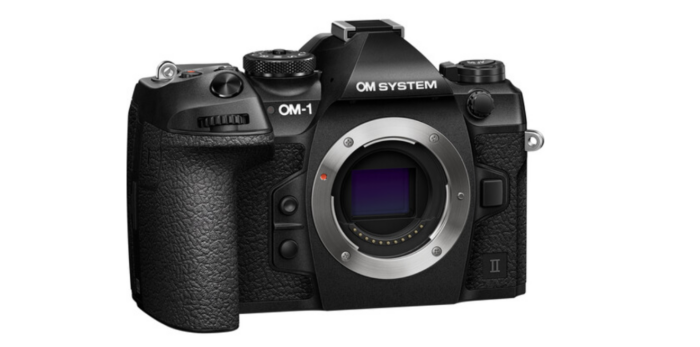
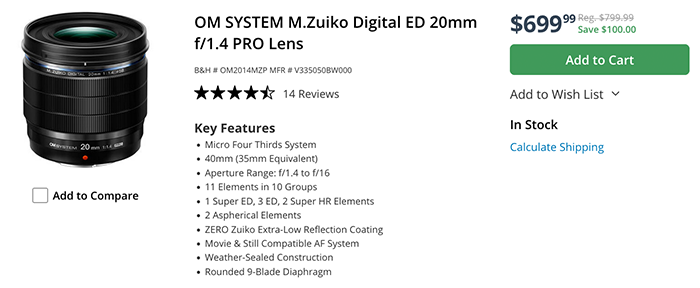
Olympus (OM System), on the other hand, benefits from its two-times crop factor. Lenses like the Olympus 45mm f/1.8 deliver a 90mm equivalent field of view in a tiny, lightweight body. This makes it easy to achieve telephoto reach without carrying heavy glass. The deeper depth of field from Micro Four Thirds sensors also helps keep scenes sharp from foreground to background, which can be ideal for storytelling in street photography.
Price is another factor. Fujifilm cameras like the X-T1, X-E1, and X-Pro1 still hold value, but bargains can be found. The X-T2 in particular remains a great option thanks to its zone focus interface. Olympus bodies such as the OM-D E-M5, PEN E-PL10, or the compact OM-D E-M10 series offer affordable entry points into the Micro Four Thirds ecosystem.
Ultimately, Holden highlights that the choice between Fujifilm and Olympus depends on your style. If you value film-like shooting with advanced focus tools, Fujifilm delivers. If you want lightweight telephoto reach and consistent sharpness, Olympus has the edge. Both brands, however, give street photographers a vintage-inspired experience that encourages getting out and shooting more often.