

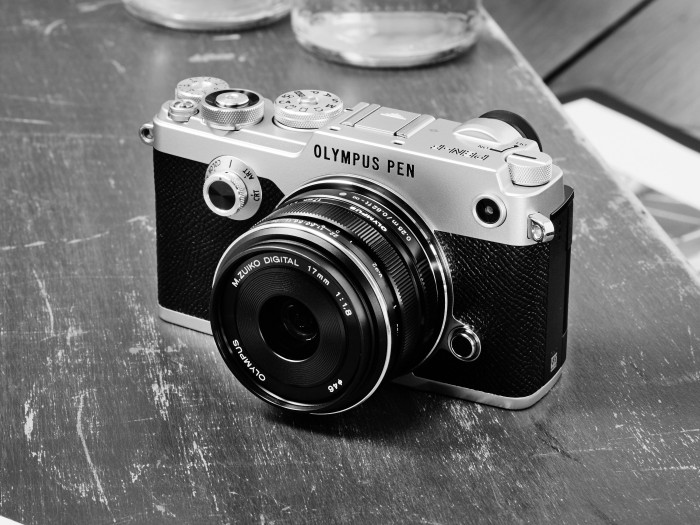
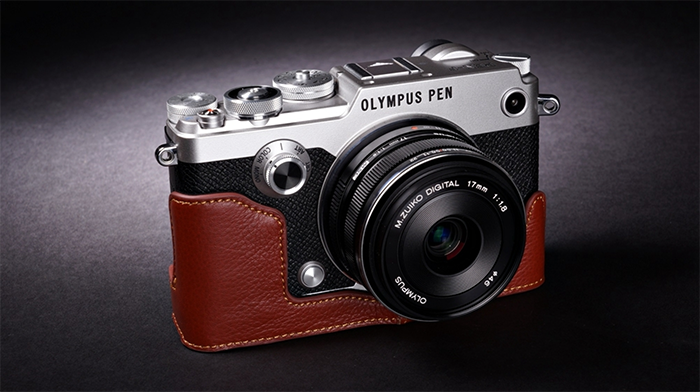
George Holden created the perfect Ricoh GRIV clone with the Olympus EPL-6 and Lumix 14mm combo

In the realm of street photography, the Ricoh GRIV has made a significant impact with its advanced features and compact design. However, many photographers are looking for affordable alternatives that can deliver similar results without breaking the bank. George Holden tested a budget-friendly option: the Olympus EPL-6 + Lumix 14mm pancake, a camera that may not be the newest on the block, but still offers valuable features for street photographers.
Comparing Features: EPL-6 vs. Ricoh GRIV
- Sensor and Image Quality: The Ricoh GRIV boasts a 26-megapixel APS-C sensor, while the EPL6 comes equipped with a 16-megapixel 4/3 sensor. Although the GR4 has a clear advantage in resolution, the EPL6’s sensor is still satisfactory for street photography.
- Snap Focus Mode: One of the key features that makes the Rico GR4 attractive is its snap focus mode, which is essential for quick street shots. While the EPL6 does not have this feature inherently, you can customize the camera’s buttons to emulate snap focus functionality.
- Portability and Design: Both cameras are compact and suitable for street photography. However, the EPL6 offers a fully tilting LCD screen, a distinct advantage for waist-level shooting, while the GR4 has a fixed display.
- In-body Image Stabilization (IBIS): The EPL.6 features a 3-axis IBIS, less than the 5-axis stabilization found in the Rico GR4 but still helpful for achieving steady shots.
- Burst Mode: Surprisingly, the EPL-6 outpaces the GR4 with an 8 FPS burst mode, compared to the GR4’s 4 FPS. This can be beneficial for capturing fast-moving subjects in dynamic street scenes.
For $80, the Olympus EPL-6not only provides a functional camera but also a compelling shooting experience that encourages creativity through its limitations. While the Ricoh GRIV is undoubtedly more sophisticated, the EPL6, when paired with a fast lens, can hold its own in everyday street photography. Ultimately, the choice between the two will depend on your budget and specific photography needs. As always, the best camera is the one you have with you.