
Eric Jannigs: OM-3 vs Nikon ZF … My Thoughts

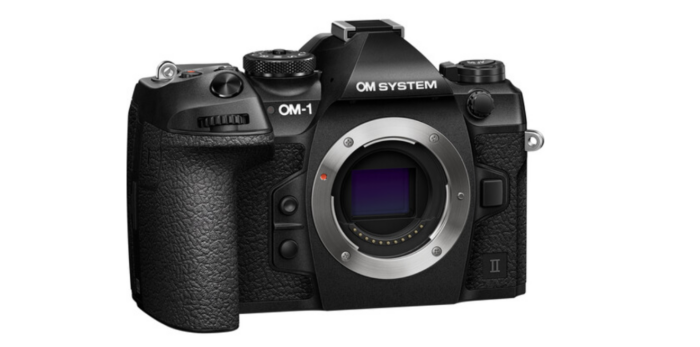
Eric Jannigs says that after spending a couple of weeks with both the Nikon Zf and the OM System OM-3, the differences between these two retro-styled cameras become very clear.
The Nikon Zf impresses with its premium build touches such as brass top dials and a metal shutter button, paired with a well-thought-out mix of classic dials and modern control wheels. The fully articulating screen, excellent EVF, and robust manual focus assist (with eye tracking and magnification) make it a capable hybrid shooter. Under the hood, its 24MP full-frame sensor and strong autofocus performance shine, and it offers the flexibility to adapt F-mount lenses and use Nikon flashes. On the downside, it’s chunky and not pocketable, most Nikon Z lenses don’t match the retro styling unless you pair it with manual focus options like Voigtländer lenses, and the dual card slots (SD + microSD) are awkwardly placed in the battery compartment.
The OM System OM-3 is physically closer to a classic film camera in size and feel. It sports high-quality metal dials with satisfying tactile feedback, a more convenient side card slot, and a better battery door/tripod plate layout. A unique color/mono switch and easily customizable profiles add to the fun factor. Most importantly, the Micro Four Thirds lenses like the Olympus M.Zuiko 12mm f/2 and Olympus M.Zuiko 25mm f/1.8 are compact, premium-feeling, and visually match the OM-3 perfectly. However, the 20MP Micro Four Thirds sensor can’t match the Zf’s full-frame image quality, its EVF and manual focus aids lag behind, it only has a single card slot, and the on/off switch is less ideally placed.
In the end, the Nikon Zf delivers better image quality, EVF, and full-frame performance, while the OM System OM-3 wins in ergonomics, retro charm, compactness, and lens system cohesion. For pure shooting enjoyment, the OM-3 comes out ahead, but for maximum technical performance, the Zf remains the stronger choice.