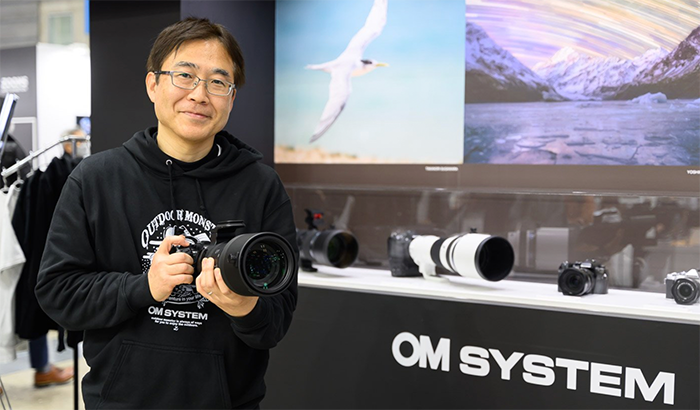
Jake Sloan tested the OM-1II in Alaska

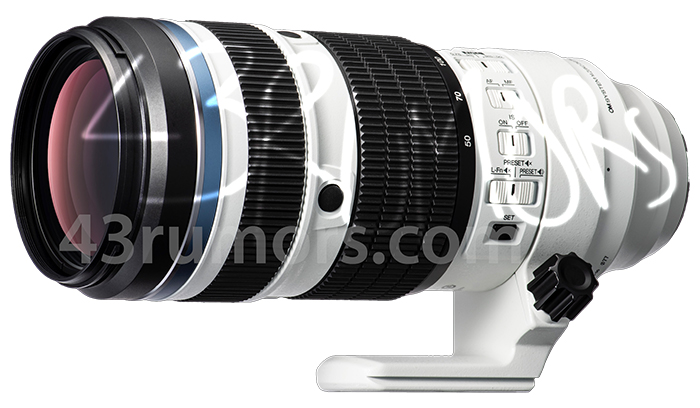
Jake Sloan recently took the OM System OM-1 Mark II out for a serious field test in the rugged conditions of Alaska — and came away genuinely impressed. Paired with the incredible M.Zuiko Digital ED 150-400mm F4.5 TC1.25x IS PRO lens, Jake calls it possibly the best wildlife setup he’s ever used for under $10,000.

From the outset, he makes it clear: the OM-1 Mark II is a photography-first camera. While it does have solid video features, its true strength lies in stills — especially wildlife photography. Coming from no prior OM System experience, Jake was initially skeptical about Micro Four Thirds. But the test quickly changed his mind.

Micro Four Thirds offers distinct advantages over APS-C and full frame: smaller, lighter gear, lower cost, and the ability to pack industry-leading stabilization into the body. In wildlife shooting, the 2x crop factor turns the 150-400mm into a staggering 300-800mm equivalent, with a built-in 1.25x teleconverter pushing it to roughly 1000mm — all in a package far lighter and cheaper than full-frame equivalents.

Image quality is another highlight. The 20MP stills are sharp, detailed, and offer excellent color. OM’s autofocus system, combined with subject detection, proved highly effective at locking onto fast-moving wildlife. For high-resolution needs, the OM-1 Mark II includes a pixel-shift mode that produces up to 80MP images, even handheld (with slightly reduced resolution). This mode works best with static subjects, but delivers stunning detail and RAW file output.

The camera is built for the outdoors, boasting an IP57 rating for dust and splash resistance. In Jake’s rainy Alaska test, it performed flawlessly. Computational photography features like Live ND and graduated ND filters expand creative possibilities without extra gear. Other advanced tools include Pro Capture, focus stacking, HDR, and multiple exposures.

On the video side, the OM-1 Mark II offers 4K up to 60p in 10-bit 4:2:0, producing clean, detailed footage with the same excellent autofocus found in stills mode. Switching between photo and video is seamless, allowing quick transitions in the field.

For photographers wanting a lightweight, durable, and highly capable wildlife or nature setup, Jake sees the OM-1 Mark II as a top contender. Even with the flagship 150-400mm PRO lens, the total investment stays around or under $10,000 — significantly less than comparable full-frame kits.

Jake’s time with the camera left him reluctant to send it back, praising its ease of use, outstanding performance, and portability. For those looking to enter or upgrade in the wildlife photography space without the bulk and expense of full-frame, the OM-1 Mark II with lenses like the 150-400mm PRO might be the perfect solution.

OM-3 with 25mm f/1.8 II test at Kitamura: Small Upgrades, Big Impact

Kitamura tested the new updates OM System M.Zuiko Digital 25mm f/1.8 II (B&H Photo, Amazon, Adorama). This is what they think about it:

The newly updated OM System M.Zuiko Digital 25mm f/1.8 II (B&H Photo, Amazon, Adorama) brings weather-sealing and a bundled lens hood to a beloved Micro Four Thirds classic. While its optical formula remains unchanged from the original, these small refinements enhance durability and usability in outdoor and travel shooting scenarios. These tweaks don’t alter the image quality, but they do add real-world value.

Optical Performance
This lens sticks to its proven 9-element design with aspherical glass and ZERO coatings. Sharpness is excellent across the frame, and autofocus remains fast and accurate. Some minor vignetting and chromatic aberration are present wide open, but they’re minimal in practical use.

Compact and Travel-Friendly
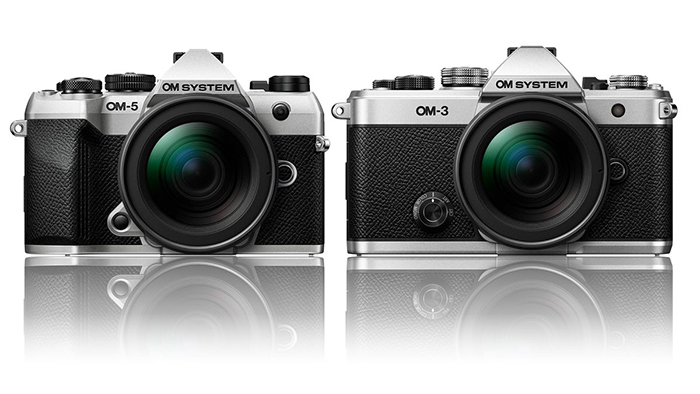
Weighing just 156 grams and measuring 42mm in length, this is one of the most portable primes for MFT. It balances perfectly with compact bodies like the OM System OM-5 (B&H Photo, Amazon, Adorama) or OM System OM-3 (B&H Photo, Amazon, Adorama), making it a go-to option for street, travel, and everyday photography.

Price and Availability
The lens is priced at $499.99 and started shipping in February 2025. While that’s a premium over the first version, the added durability may justify the price for photographers often working in unpredictable conditions.
Should You Upgrade?
If you already own the original M.Zuiko 25mm f/1.8 (B&H Photo, Amazon, Adorama) and don’t need weather resistance, you’re not missing much optically. But if you’re buying new—or rely on your gear in the elements—this Mark II refresh is a smart, well-executed update.

Which one to get: OM-5II vs OM-3

DigitalCameraWorld compared the two latest new OM cameras and concluded:

The OM-5 II is older and technically less advanced than the OM-3, but it’s worth considering whether it still does everything that you need a camera of this type to do? Maybe it does! You still get 20MP images, weather sealing, decent high-speed shooting, one of the best IBIS systems on the market and some clever computational tricks, should you need them.

The OM-3, by contrast, brings a real retro camera feel combined with powerful autofocus, burst shooting and video features that leave the OM-5 II lagging far behind. If you intend shooting a lot of video, then the OM-3 is certainly the better buy. What about action, sports and wildlife photography? Yes, here too, but the OM-1 II would be even better for this kind of work just because of its handling with larger lenses.

For sheer value and practicality, the OM-5 II, even though it’s now somewhat dated, is a great buy. The OM-3 is perhaps more of a luxury buy for those who love its looks, its power and its potential.

OM-5II at BHphoto, Amazon, Adorama, Fotoerhardt, WexUK.
OM-3 at BHphoto, Amazon, Adorama, OM store USA.

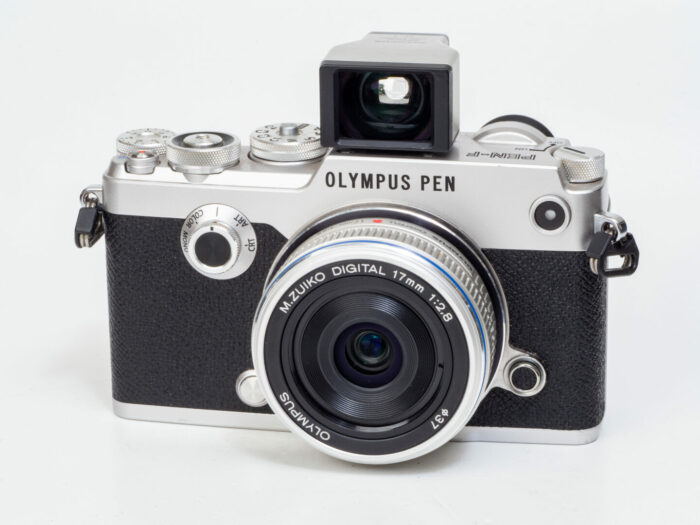
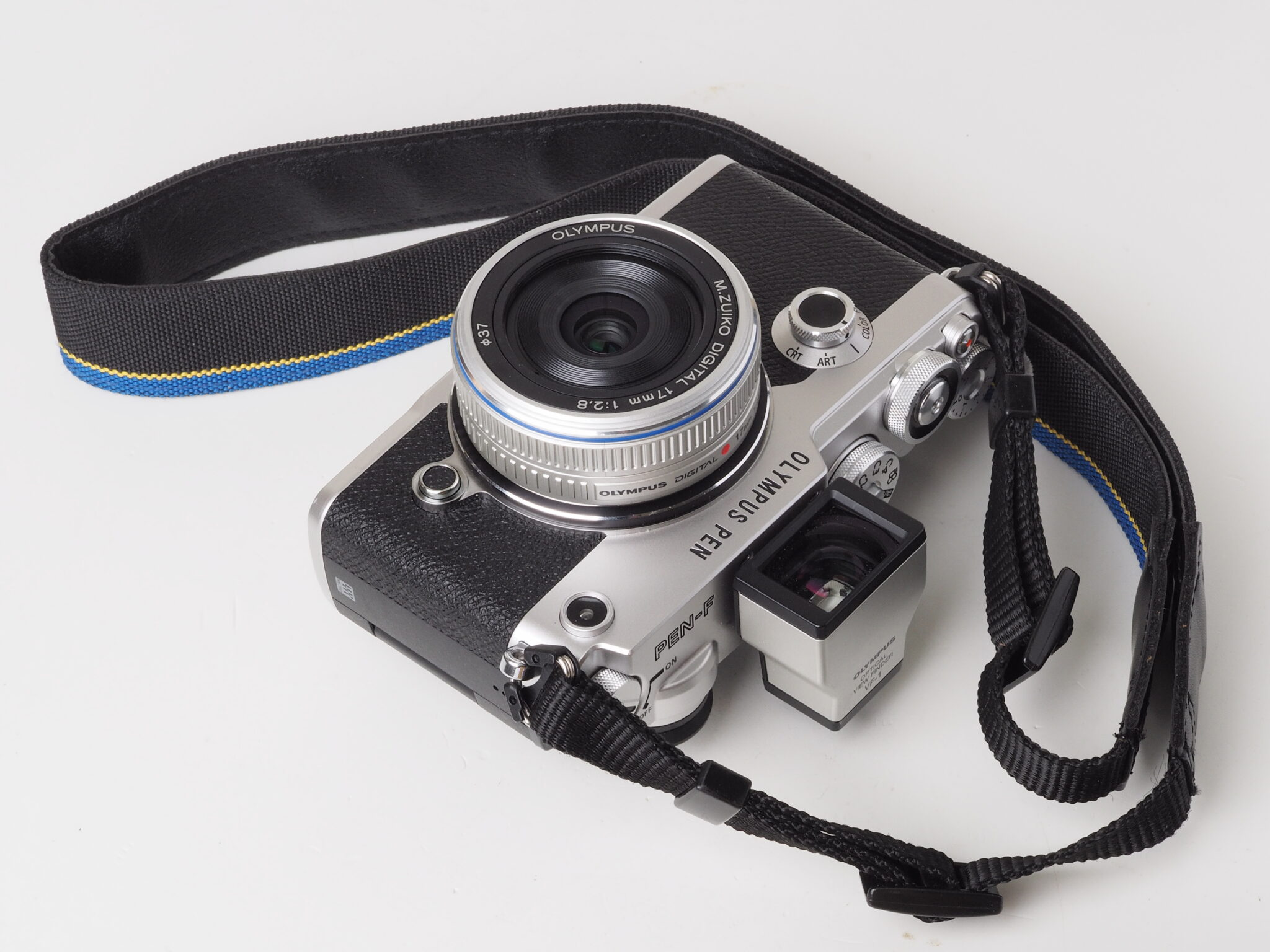
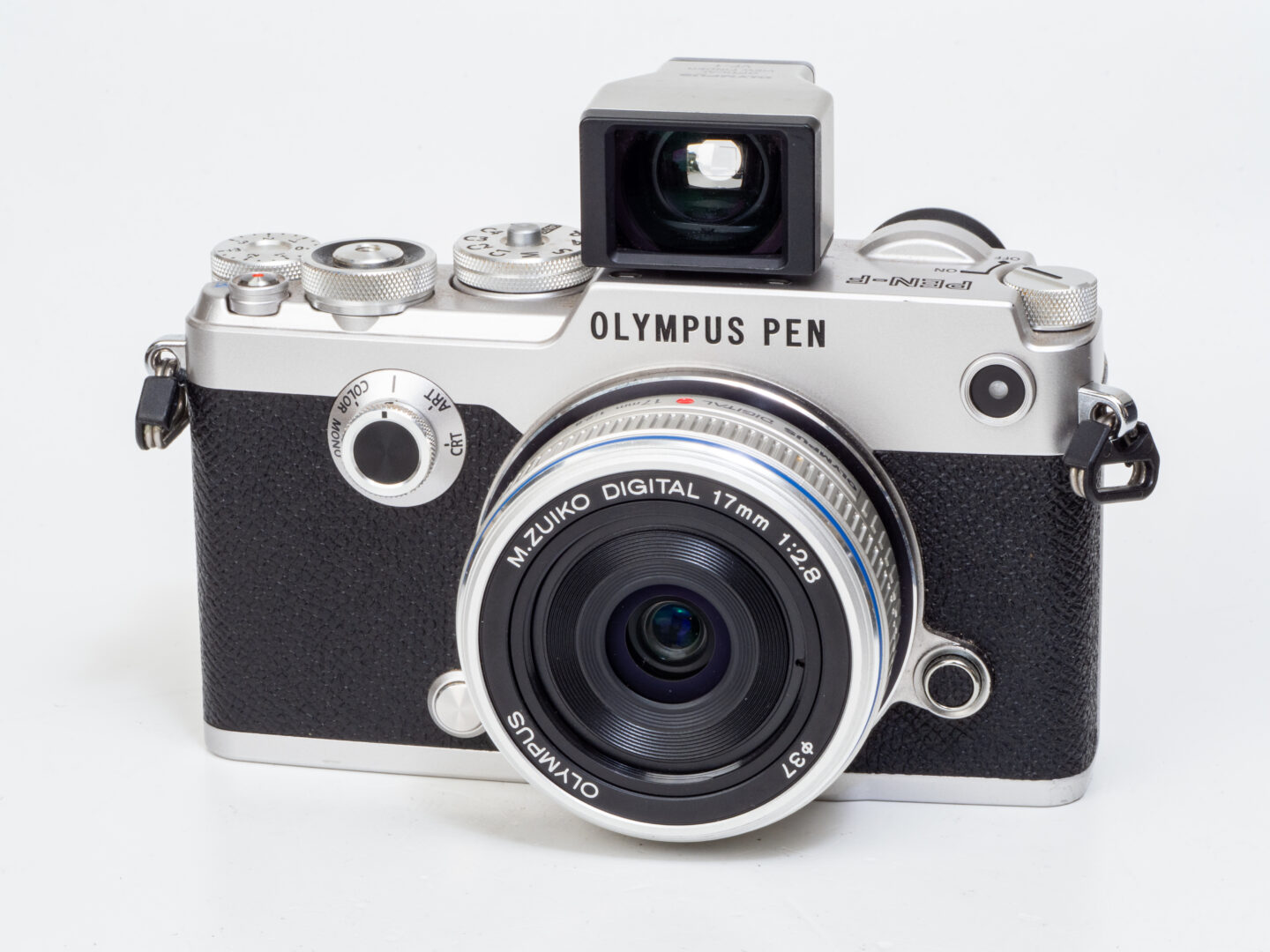
Just a reminder on how cool the PEN-F with VF-1 viewfinder looks :)

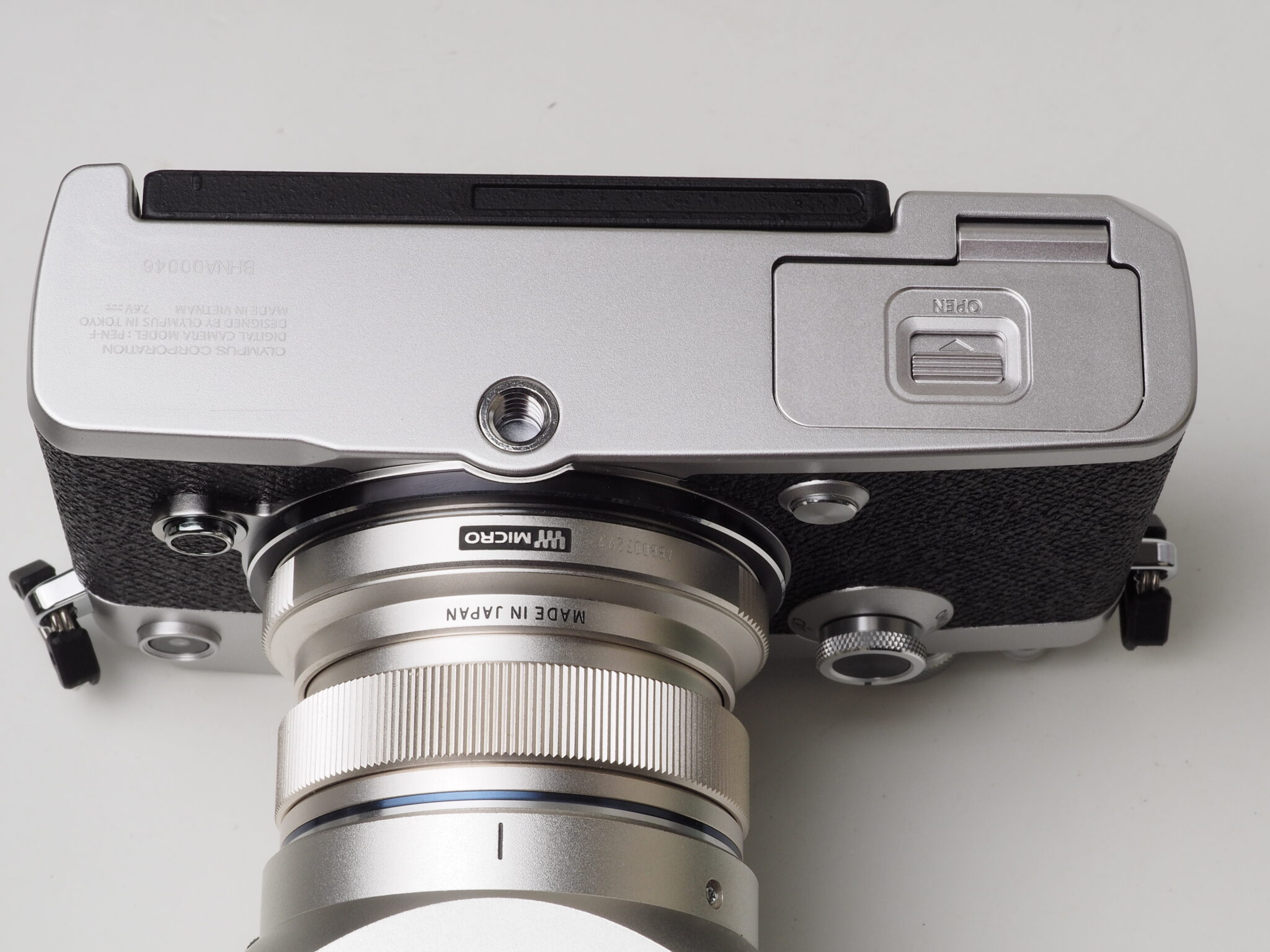
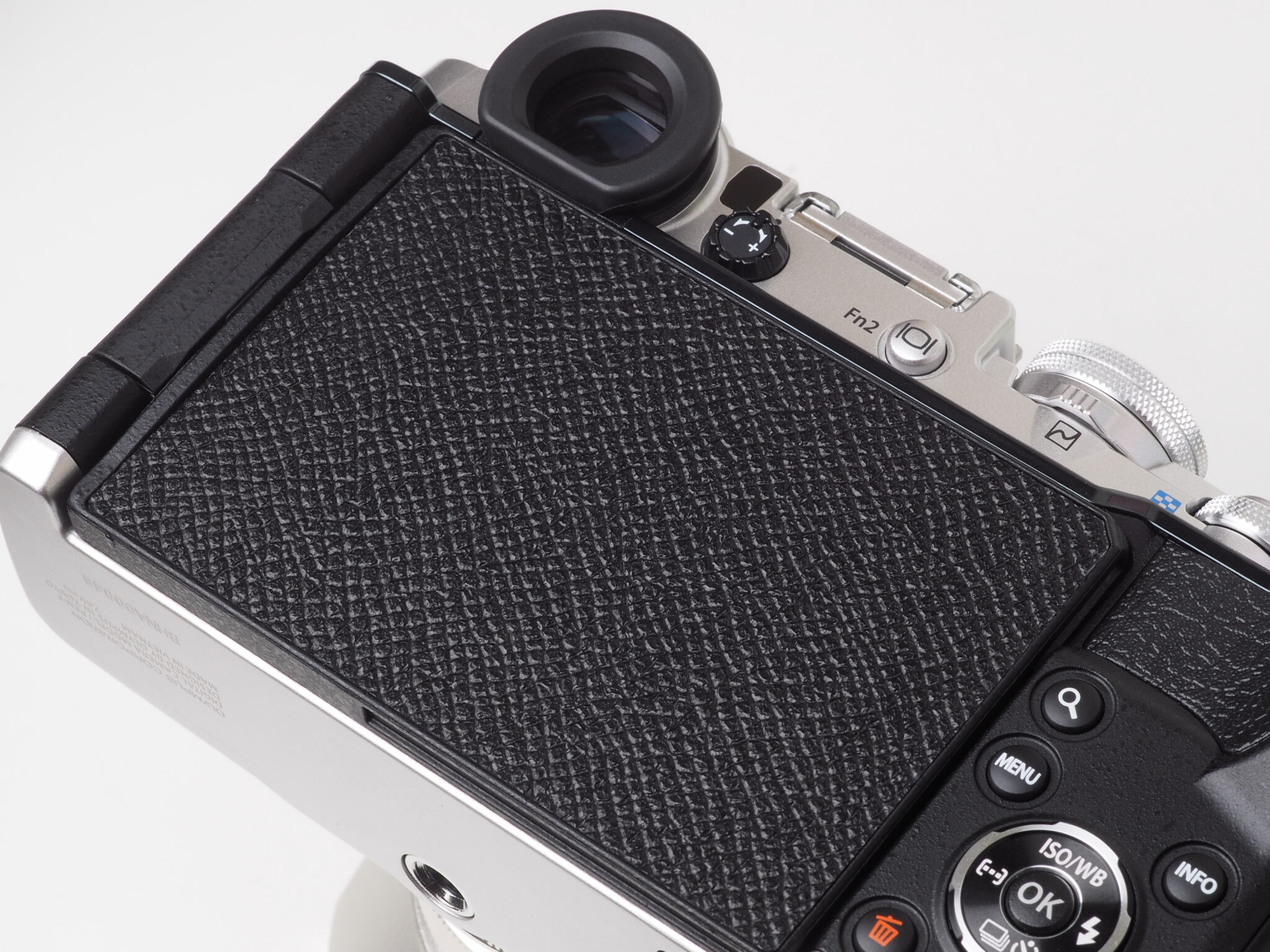
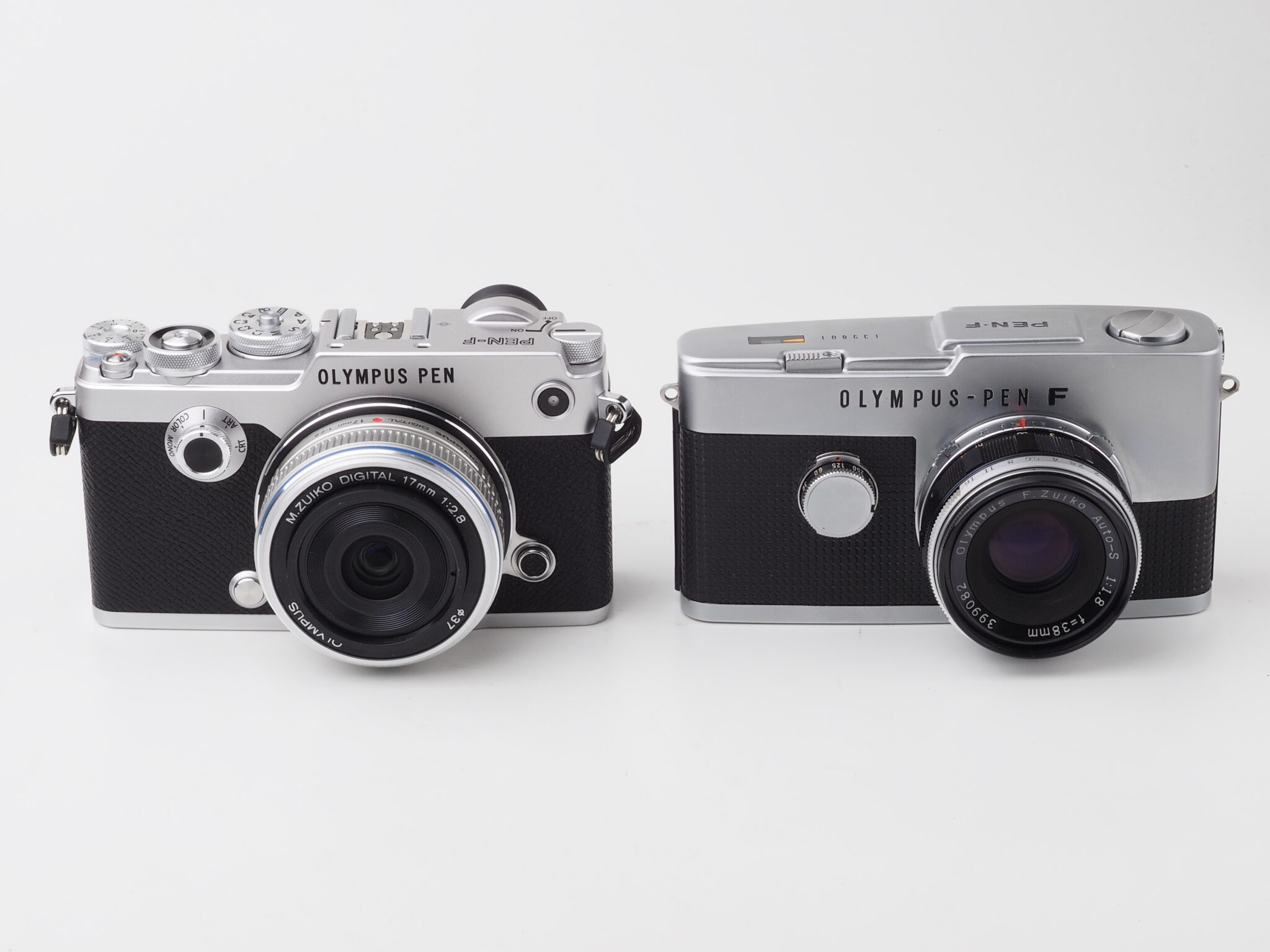
Kitamura tested the Olympus PEN-F with the VF-1 optical viewfinder. The article is an ode to the PEN‑F artistic design and emotional resonance.

The PEN‑F is celebrated for meticulous craftsmanship and tactile beauty:
• Silver body option, leather-wrapped surfaces, and a distinctive control dial all echo the film-era design with functional flair.
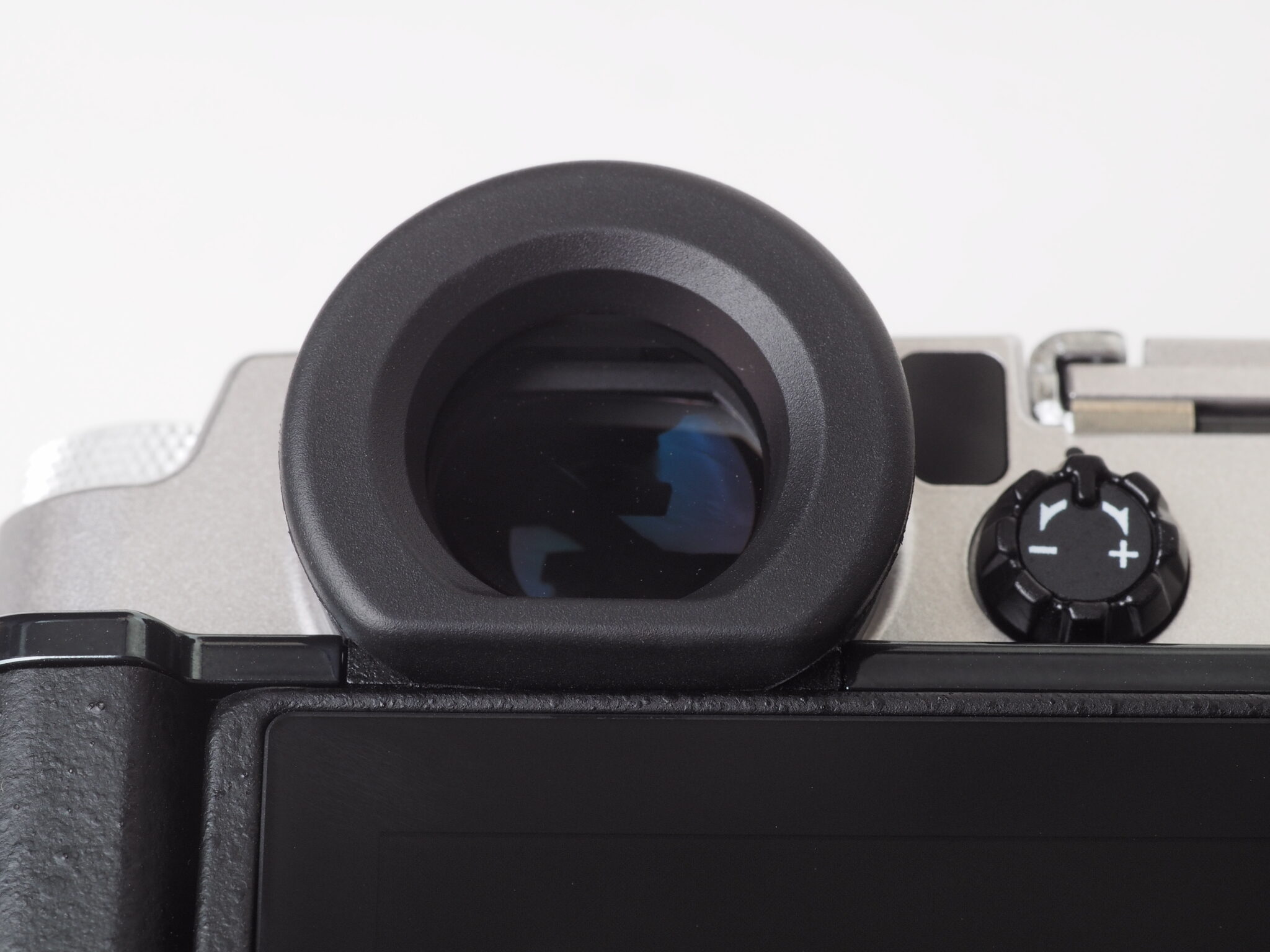
• The EVF is seamlessly integrated, optimized to avoid blocking the flip-screen hinge, while the negligible “half-moon” cut-out at the eyepiece shows craft attention.
• The unique Creative Dial enables quick film-like monochrome or color recipe adjustment and adds charm even for those primarily shooting RAW. 

Emotional & Aesthetic Joy
The author values the PEN‑F for its “analog soul in a digital body”:
• The tactile engagement of film-inspired controls, the shutter’s click, and the warm display all evoke nostalgia.
• It’s portrayed as an excellent “personal camera”—a device to savor photography for pleasure, not just utility.

These 10 cameras have the BEST straight-out-of-camera JPEGS

If you’re after quick, hassle-free, and great-looking results, check out Micro Four Nerds’ list of the best cameras for stunning images—no editing needed:

  1. Panasonic Lumix S9 (B&H Photo, Amazon, Adorama)
  2. Fujifilm X100V / X100VI (B&H Photo, Amazon, Adorama)
  3. OM System OM-5 (B&H Photo, Amazon, Adorama)
  4. Olympus PEN-F (B&H Photo, Amazon, Adorama)
  5. Pentax MX-1 (B&H Photo, Amazon, Adorama)
  6. Leica X1 / X Typ 701 (B&H Photo, Amazon, Adorama)
  7. Fujifilm X-A series (e.g., X-A7) (B&H Photo, Amazon, Adorama)
  8. Sigma fp (B&H Photo, Amazon, Adorama)
  9. Pentax Q / Q-S1 (B&H Photo, Amazon, Adorama)
  10. Lumix LX100 (B&H Photo, Amazon, Adorama)

The Camera Apple Should Have Made: Alice Camera Review

Tony Northrup tested the Micro four Thirds Alice Camera which is available at BHphoto (Click here). Here is the summary of the video:

The Alice Camera features:

  • A Micro Four Thirds sensor, 9x larger than that of a typical iPhone

  • Interchangeable lenses, allowing for flexible focal lengths

  • Seamless integration with your smartphone as the viewfinder and control center

  • Instant wireless image transfer to your phone and cloud (e.g., iCloud)

  • Encrypted photo storage and GPS tagging for added security

  • Real-time sharing to social media, perfect for creators and event shooters

Key Advantages:

  • Much better image quality than smartphones

  • Instant backup and sync to the cloud

  • Security: Photos are encrypted and not accessible if the camera is stolen

  • Real shutter button, physical grip, and camera-like ergonomics

  • Great for social media creators, event photographers, and those needing real-time sharing

Downsides:

  • Uses Micro Four Thirds, not full-frame

  • No IBIS or advanced autofocus like Sony cameras

  • Cold shoe, not hot—so flash and strobe users may be limited

  • Grip could be more ergonomic

Conclusion:

While not perfect, the Alice Camera offers a compelling bridge between traditional cameras and smartphones—ideal for creators who need fast sharing, better image quality, and security. The reviewer believes this could be the future of connected photography.