Red35: The Myth about Micro Four Thirds lenses

Red35 writes:

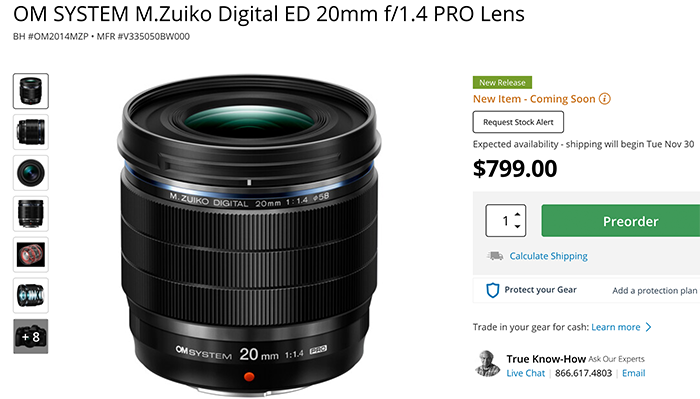
I am responding to many comments that I saw recently, comparing OM’s latest M.Zuiko 20mm f1.4 Pro to Sony’s 40mm f2.5. This video should give you some ideas about why they are totally different and shouldn’t be confused and compared. Also a demonstration on the effect on cropped sensor image against full frame.

GH5II among the top cameras of the year at Explora

Explora (Click here) did select the GH5II among the best cameras of the year 2021:

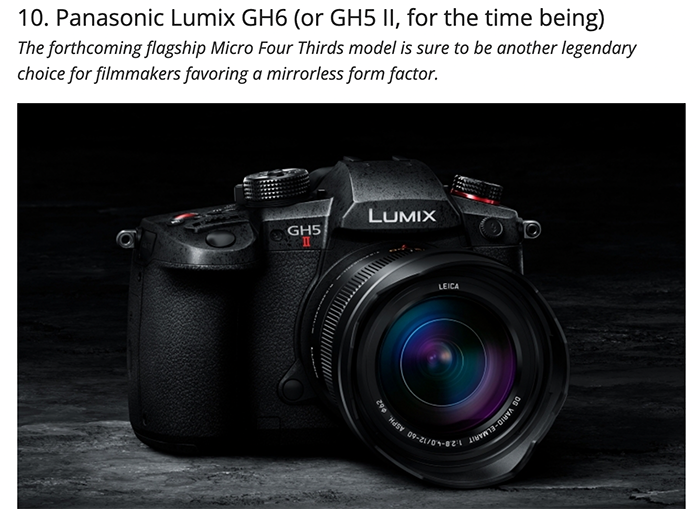
Beginning with a potentially controversial choice, seeing as there has only been a development announcement for this camera, the upcoming Panasonic Lumix GH6 slides into the 10th spot simply because of its outstanding list of features that have already been announced. A new Micro Four Thirds sensor will deliver up to 5.7K 60p video, DCI 4K 10-bit 4:2:2 with unlimited recording times, and UHD 4K 10-bit recording with 120p High Frame Rate recording and Variable Frame Rate support. These few video specs along are enough to be excited at what Panasonic has coming, with an expected release date of the end of 2021. In the meantime, though, the slightly lower spec’d Lumix GH5 II, which is already available and announced in 2021, will hold down the 10th spot till the GH6 makes its formal arrival

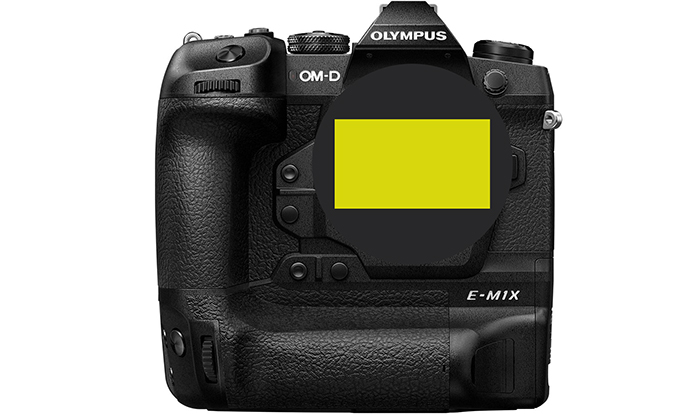
National Geographic says the Olympus E-M1III is the best camera you can buy for “Wildlife photography and creative landscape work”


E-M1III at Amazon, Adorama, BHphoto, GetOlympus.

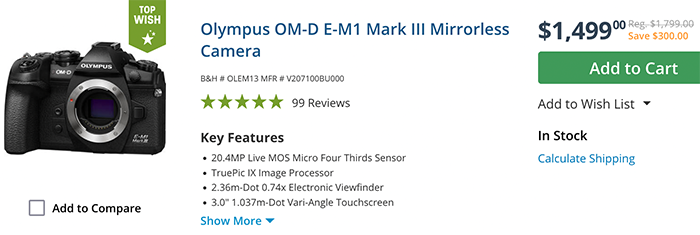
National Geographic listed the best compact cameras for travelers in 2022. The Olympus E-M1III is the best camera you can buy for “Wildlife photography and creative landscape work”:

A stalwart of this article is the Olympus E-M1 series. This camera series has always impressed me with the sheer number of features it provides. Yes, you have a smaller size 4/3 inch sensor, but this allows for ultra-compact long lenses. The E-M1 Mark III brings various superlatives to the list: best ergonomics, best weather sealing, smallest super-telephoto lenses, and the best stabilization system in the still camera industry.

These highlights are coupled with outstanding new special features such as hand-held high-res shooting (you can take 50 MP images out of a burst of 16 frames) and the Live-ND filter, which simulates a neutral-density filter. In addition, computational photography for handheld shooting emulates some tripod-based long exposure shooting (for example, blurred water of a waterfall). The slightly updated 20 MP sensor from the previous generation E-M1 camera leads to a small increase in sharpness and clarity. The pro line lenses have a high-quality build and sport features such as integrated lens hoods, smooth zoom and focus rings, and round bokeh visualization (background blur).

The fantastic ergonomics, excellent image stabilization, all-weather durability, high-speed performance, and easy-to-use small lenses add up to a potent wildlife photography kit that won’t weigh you down. Note: The firm that bought the Olympus imaging division seems to be keeping its promises of continuing lens and camera development, so I can confidently recommend the brand.

E-M1III at Amazon, Adorama, BHphoto, GetOlympus.

Robin Wong: Wrong Assumptions on Lenses Beginner Photographers Make

Robin Wong writes:

From conducting photography workshops locally in Malaysia over the years, doing photowalks and events for Olympus Malaysia and my involvement with the larger online photography community through my blog and this YouTube channel, I found several misconceptions and wrong assumptions about how lenses work and I want to make this video to straighten some facts out. I get asked many questions and if I get them again, this will be a convenient reference that I can use as a quick answer, without having to repeat myself over and over again to different people.

Robin Wong: Panasonic Leica 15mm F1.7 Mini-Review

Robin Wong:

I have recently added the Panasonic 15mm F1.7 lens into my camera bag, mainly for 2 reasons: to replace the Olympus 12-40mm F2.8 PRO as my general wide angle video lens when I am filming videos for this channel, and as a wide angle prime for my street photography sessions, replacing the too slow Fuji XF10. I have written about the Panasonic 15mm F1.7 lens before, so I am making this video to reshare my thoughts on this tiny gem for Micro Four Thirds shooters. I think it is small, light, well-constructed and delivers sharp results.