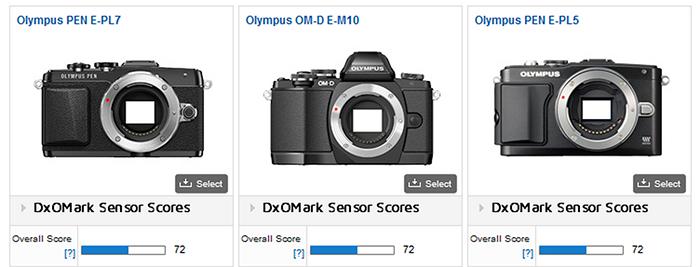
This is hardly a surprise for everyone. DxOmark tested the E-Pl7 sensor and the performance is exactly the same as on the other 16MP Olympus cameras:
The PEN E-PL7 looks to be a solid choice in terms of features and sensor performance. Admittedly it’s not quite in the same league as the larger APS-C sensor in the Sony A5100, particularly in low-light, although it can compete in dynamic range and noise levels up to ISO 800. Overall, it’s a good sensor, and the inclusion in the E-PL7 of in-body 3-axis image stabilization should help offset some of its limitations.
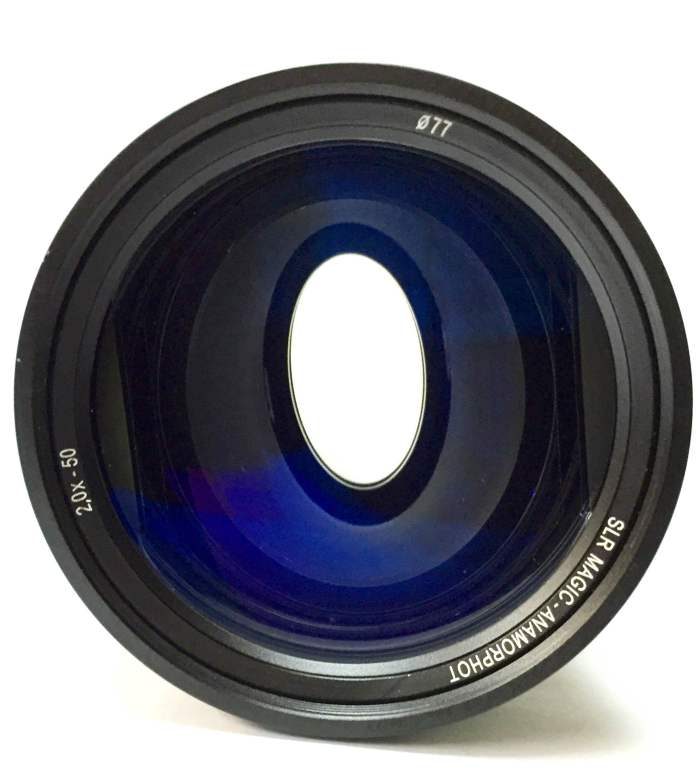
Here we have the first two videos shot with the production model SLR Magic Anamorphot 2,0x-50 lens. The video on top has been shot on the BMPC MFT camera. The one below with the GH4.
For those of you who don’t know why those kind of lenses are useful read that official BHphoto description text:
Creating a widescreen 2.35:1 image using a camera with a 16:9 (1.78:1) sensor requires you to either crop the image or use an anamorphic lens attachment such as the SLR Magic Anamorphot 1.33X – 50 Anamorphic Lens Attachment. The SLR Magic adapter features a 1.33x anamorphic element that allows you to use the your cameras entire 16:9 sensor to get a 2.35:1 aspect ratio, as opposed to throwing away information by cropping the 16:9 sensor to achieve an image with a 2.35:1 ratio. Cropping an image causes a loss in resolution, but the Anamorphot 1.33x – 50 is actually squeezing more information onto your sensor. This does result in your recorded footage having the classic tall/thin squeezed image. However, this is easily expanded to a 2.35:1 aspect ratio in most NLE systems, and cameras with variable display adjustments allows you to stretch your image in the viewfinder. The Anamorphot mounts onto your taking lens and features three locking screws that you tighten to secure the adapter once you have aligned it on your taking lens. Please note you can only use the Anamorphot on lenses with a non-rotating front, otherwise the anamorphic effect will rotate as you change focus. The Anamorphot’s native mounting thread size is 62mm and will mount directly to lenses that feature 62mm filter threading. The included three step-down rings allow you to mount the attachment on optional lenses with a 49, 52, or 58mm front thread. You can use the adapter on lenses that feature a front filter thread larger than 62mm by using optional step-up rings, however optimum results are not guaranteed, and SLR magic recommends using the adapter on lenses with a front element that is physically smaller than 50mm in diameter. The Anamorphot features a Normal/Near adjustment setting. SLR Magic recommends setting the adapter to Normal, and only adjusting the setting to Near when shooting objects closer than 6.5 feet.
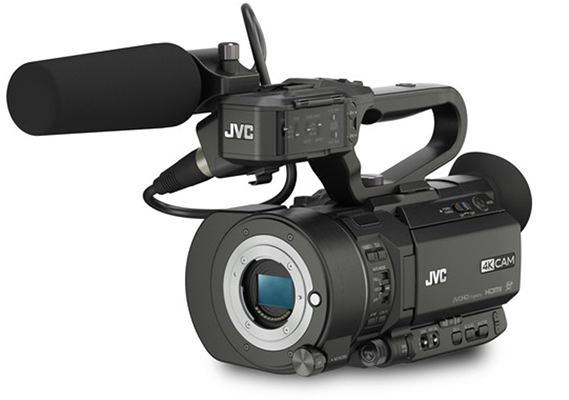
Some months ago JVC announced their first 4K budget Micro Four Thirds camcorder. You cna get it at BHphoto (Click here). And the camera just got reviewed by Newsshooter (Click here). they write:
Sure you could buy a GH4, a7S, BMCC 4K for less money but none of those cameras give you all the features that the JVC offers. The image quality coming out of the camera is very nice considering its price and who the camera is aimed at. The ability to choose a multitude of different recording options and be able to record them all internally is very impressive. The camera really is a good option for VJ’s, run and gun news and documentary makers and those who want to stay light but still want that Super 35mm look.
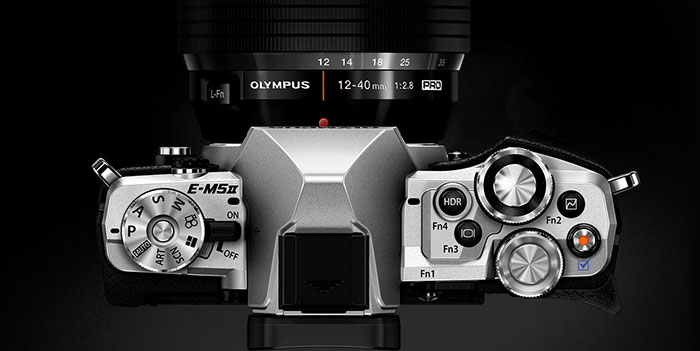
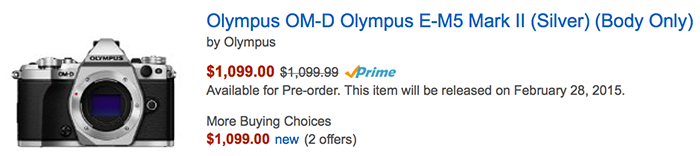
There are really a lot of Olympus E-M5II videos out there. Here is a quick list that may help you to get an order in that jungle :) All links open a new tab to Youtube or Vimeo pages:
Short film:
London Taxi – A short film shot on the Olympus OM-D E-M5 Mark II (Vimeo). A super short action sequence shot at the OM-DvAction a Factory, Prague (Vimeo).
The E-M5II will ship next week according to Amazon US (Click here). And in the meantime you can read those new tests if you want to learn more about the new camera performance:
E-M5II shooting experience at Dpreview.
Olympus OMD EM5 Mark II review-in-progress (CameraLabs).
The Olympus OM-D E-M5 Mark II Review. Olympus continues to innovate (Steve Huff).
Olympus OM-D E-M5 II Preview: A classic reborn (DxOmark).
Olympus OM-D E-M5 II Sample Images (Photographyblog).
E-M5II toma de contacto at DSLRmagazine.
E-M5II pricing info in Japan (Itmedia).
E-M5II an Altglas: Makro-Shootout (Pen And Tell).
Olympus OM-D E-M5 II : galerie d’images 40 Mpx (Focus Numerique).
La estabilidad de Olympus (Quesabesde).
E-M5II test at Kasayapa.
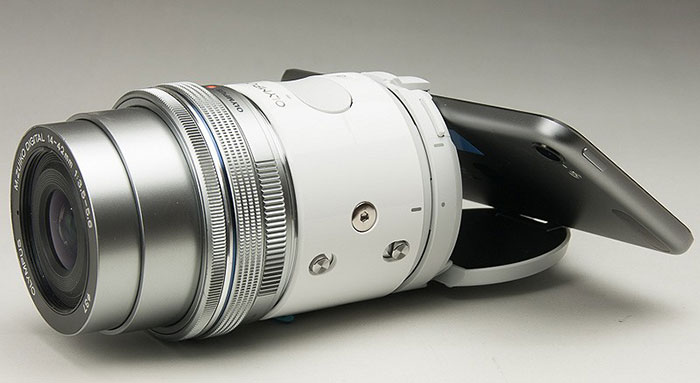
The Japanese site DC.watch (google translation here) is the worldwide first site posting a preview of the Olympus AIR MFT camera. As you know the AIR will go for sale in Japan only. ON their site you can find a full ISO test and many image samples. The AIR uses the same 16MP sensor as the other OMD cameras. And here are some of the reviewers impressions:
1) The AIR has no on sensor stabilization because Olympus wanted to keep it as compact as possible 2) Start up time is a bit slow 3) Autofocus is fast 4) Connection with the APP is fast and reliable. And the cool thing is that everything is OPEN source which means everyone can develop an APP for the AIR (unlike Sony QX which is closed source).
It will be interesting to see if that new AIR MFT camera will actually make some significant sales in Japan…
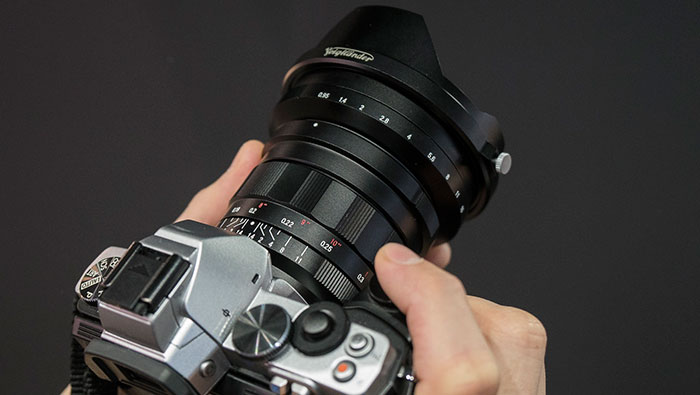
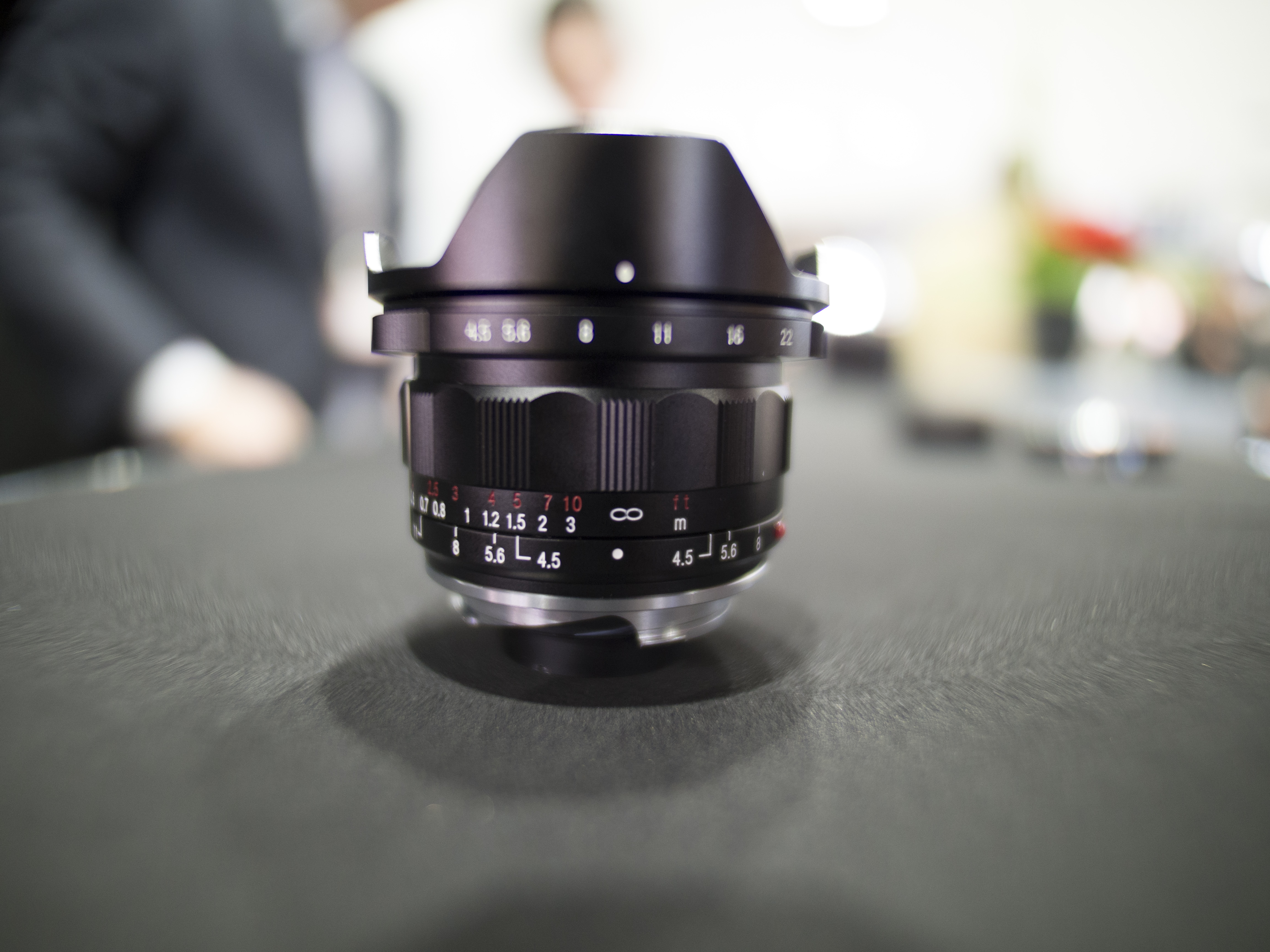
DSLRmagazine posted a couple of image samples taken with the Voigtländer Nokton 10,5 mm f/0,95 lens. All four images they posted have been taken at full f/0.95 aperture. The bokeh is very creamy and the close focusing ability creates a very unique kind of picture. LIke that one:
DSLRmagazine writes that the price of the lens will be announced soon. Full lens specs can be read at BHphoto (Click here).