
Yongnuo YN450 Android Camera Explained – Micro 4/3 and EF Mount

Cinema5D took a look on this quite unusual camera:

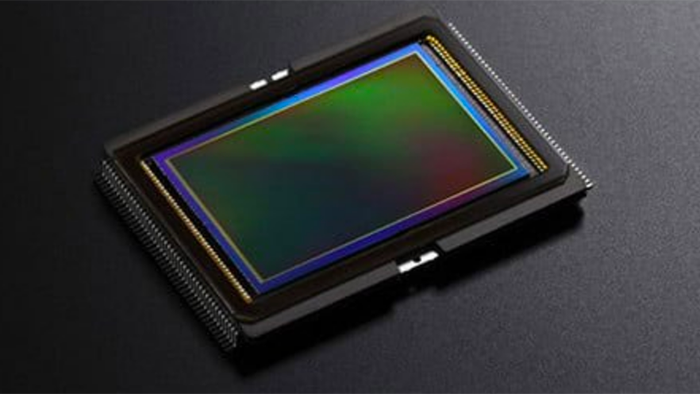
The Yongnuo YN450 is a smart mirrorless camera with Android operating system and a 16MP micro four thirds image sensor. It features a Canon EF mount, a 5″ multi-touch 1080p display, as well as a 4G SIM card slot for instant content sharing.
Yongnuo decided to equip their camera with the Canon EF lens mount, which might have to do with Yongnuo’s lens portfolio, which is based on Canon EF mount (and Nikon F mount). However, that mount makes the whole camera-lens combination very bulky and actually prevents one from being able to use more compact micro four thirds lenses, which would be a better match for the sensor, in my opinion.
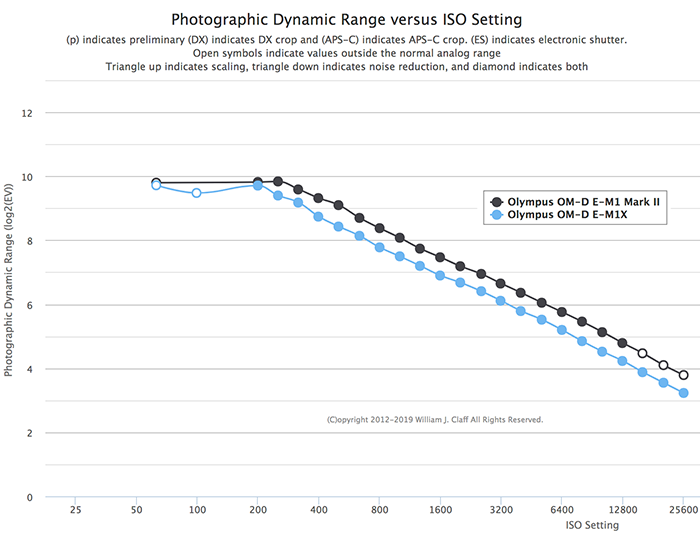
 

Weird results from PhotonsToPhotos: E-M1X Dymanic range lower than the E-M1II

Photonstophotos added the E-M1X Dynamic Range measurements. And the negative surprise is that the E-M1X seems to have lower Dynamic Range performance compared with the E-M1II. It’s weird because they both sue the same sensor.

I saw in past Photonstophotos adjust the charts with further testings. I wouldn’t take it as granted that the E-M1X has lower dynamic range.

Olympus E-M1X in USA at Amazon, GetOlympus, Adorama and BHphoto.
Olympus E-M1X in Europe at Calumet Germany, ParkCameras, Jessops, WexUK. Olympus Germany, Olympus UK, Olympus France, Olympus Netherland, Olympus Italy.

Leica 100-400mm vs the new Olympus 150-400mm size comparison

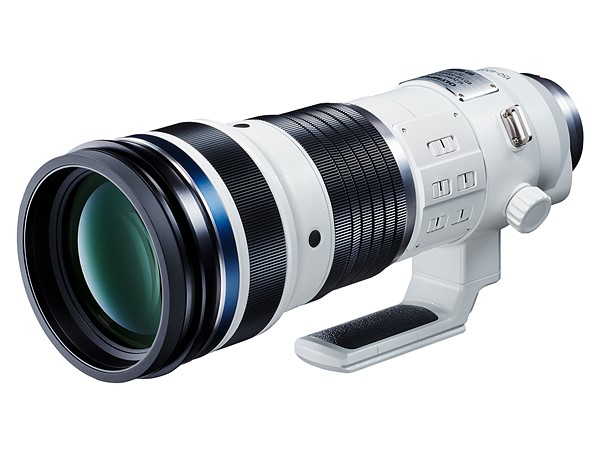
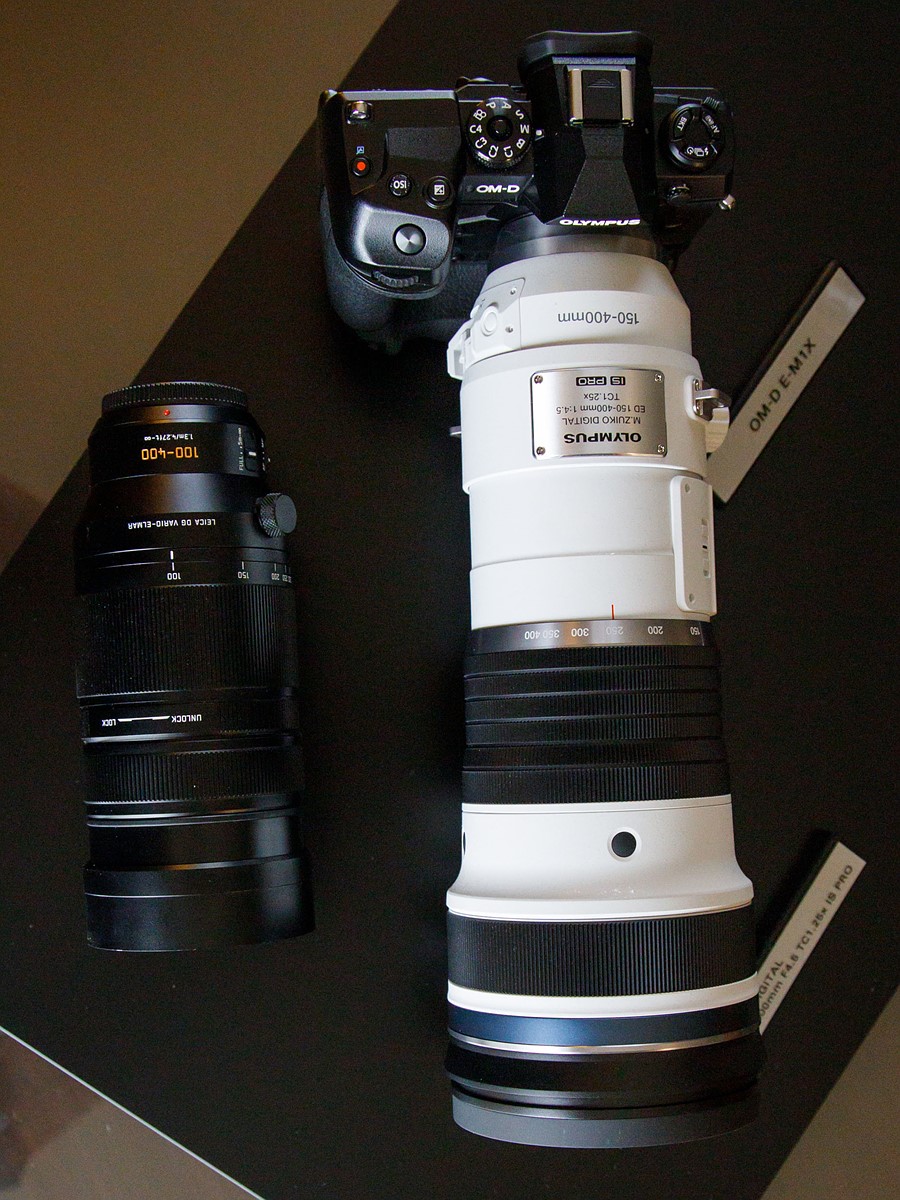
Dpreview published the following image to whow the big size difference between the currently available Panasonic-Leica 100-400mm f/4.0-6.3 lens and the new Olympus 150-400mm f/4.5 lens:

It’s expected that a constant aperture lens is much bigger than the Leica. Moreover the Olympus has a handy built-in 1.2x converter. I hope they don’t go crazy with the price…I expect something around $2,500…?

Olympus 17mm f/1.2 PRO tested at Lenstip: “truly impressive”

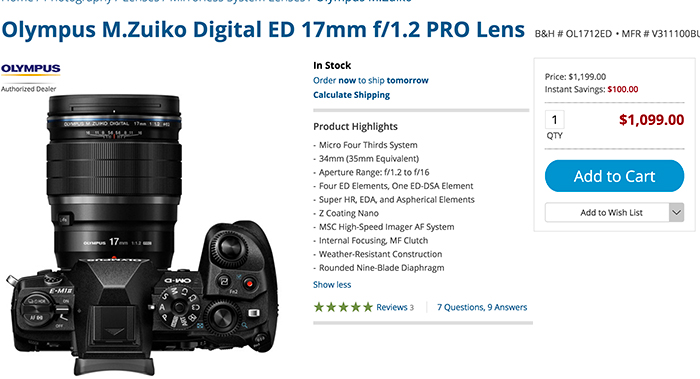
Lenstip tested the Olympus 17mm f/1.2 PRO lens:

After a slight misfire with the PRO 1.2/25 model which price, compared to its possibilities, was definitely too high, the continuation of PRO f/1.2 lenses series can be called completely successful. Both models announced in 2017, the M. Zuiko PRO 1.2/17 and the 1.2/45, proved to be optically excellent and both were able to break resolution records. Perhaps they aren’t completely free of any faults and you can’t call them cheap either but the number of their assets and their performance are truly impressive. As a result, the Micro 4/3 system finally got fast, fixed focal length lenses that are able to profit from the advantages connected to the size of the detector they are designed for.