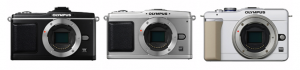
In his latest post (click here to read it) explained the importance of having “open mounts”.
Some excerpts:
MicroFourThirds: “One of the things that is pushing their success amongst current DSLR users is that you can get a mount adapter for virtually any mount.”
About Samsung: “They simply don’t see the mount issue that’s holding them back. Where Olympus is quietly encouraging mount adapters, Samsung isn’t.”
The future: “it’s a game of keeping losses to a minimum to slow the contraction that happens after market saturation. I know I’m repeating the same thought, but the solution is simple: redefine what a camera is. Right now, Panasonic and Olymus are closer to doing that than Nikon and Canon.”
Let’s see how Thom Hogan would redefine the camera:
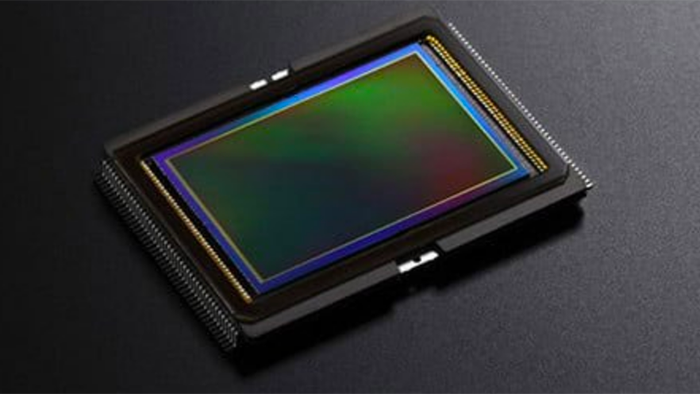
- “Modular. Remember that non-stop technology march? Well, we can completely junk our equipment every time a sensor generation comes down the pike, or we can just replace the sensor module. Which would you prefer?
- Programmable. This necessarily doesn’t mean you, the user, has to write programs. It means that there’s a known API to the underlying hardware (and modules!) and a way to take advantage of it. Whatever you need to do, there should be an app for that, not a dedicated feature with restrictive parameters.
- Communicating. The camera sits in the middle of so many processes and initiates most of them. But right now we’re using Sneaker Net to communicate (that’s an reference to the old practice of taking a disk out of your computer and going down the hall to put it in another one in order to move files). But here’s another thing: cameras should be able to communicate with other cameras, other camera accessories, and things outside the camera world, all simultaneously. Right now most of the communication that is done by our cameras is proprietary, highly restricted, and often sequential.“
I would love to see such a camera system and you?

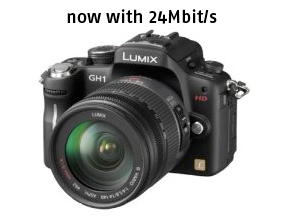

 (17mm/2.8) (via
  AF SPEED ver1.4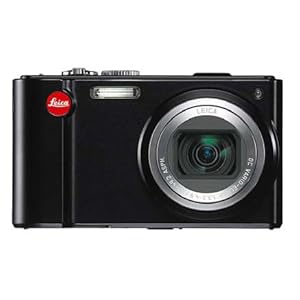
 . You pay $699.00 for the Leica version of the
  .
.