

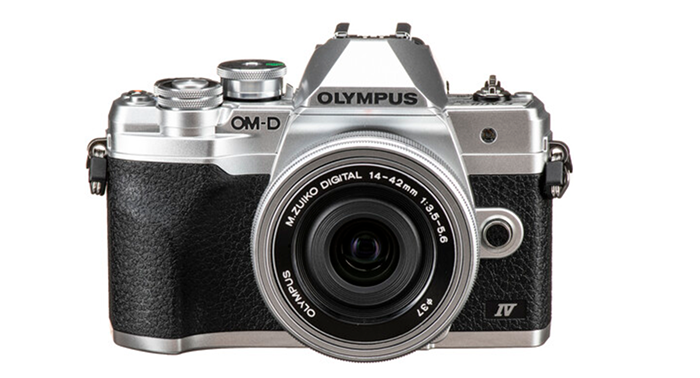
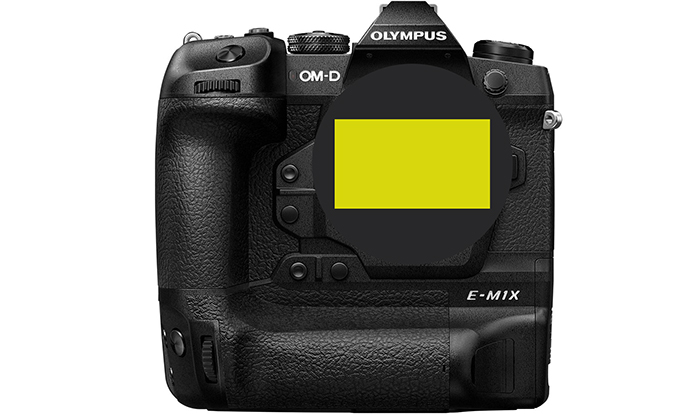
Amateur Photographer: Why are Olympus cameras so overlooked? It’s the best image quality possible for the size

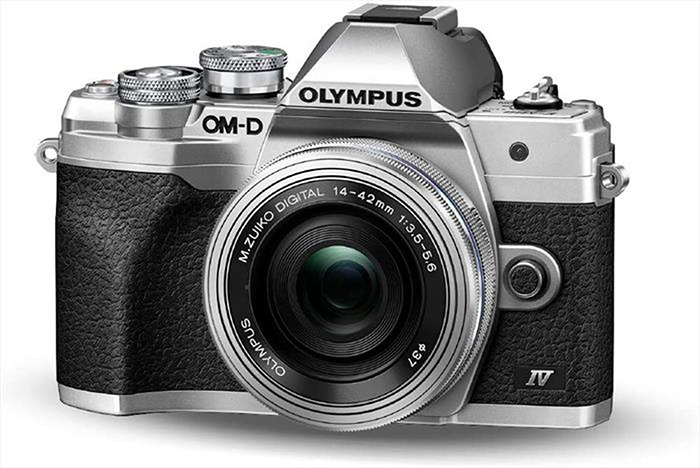
Joshua Waller from Amateur Photographer writes
For me, the Micro Four Thirds system is one of the most compelling camera systems available, in fact it offers some of the highest image quality possible for the size. If you want to use a small camera, then there is little image quality on offer from a compact camera (with a small sensor), but with Micro Four Thirds, you can have a larger than 1-inch sensor, and your own choice of lens. I have multiple lenses that I absolutely love to use on OM cameras and can tell the difference in image quality compared to a compact camera or a smartphone.
OM System cameras (and Olympus beforehand) have been amongst the industry leaders when it comes to computational photography, it’s designed to help you capture things that are otherwise more difficult on other cameras. Since Live Bulb/Time, the ability to see the image as it develops on the screen is something that is incredible to see, and it’s worth looking at a demonstration in person or in a video to see how it can be used, and with LiveND you can capture slow moving water without fiddling with filters.
I could go on… but won’t. But look at how many people are choosing OM cameras for macro work and judge them by their work – it will be hard to be anything but impressed. The camera system’s macro features such as focus-stacking, as well as small compact weather-sealed macro lenses, make the cameras a great choice, and in addition to this, the weather-sealing and small size, also make them great for going out in all weather conditions.
How does OM get so overlooked in comparison to other camera brands? Perhaps it’s time for the obsession with full-frame sensors to be left in the darkroom. (ha-ha, see what I did there, made a 35mm film reference).
To be honest, I have noticed a slight resurgence of interest in the Micro Four Thirds system. The question is whether OM Digital and Panasonic are willing to invest and take risks in developing new models that are more than just minor improvements on existing cameras. We will see in 2026 if they surprise us.