
Robin Wong: This Olympus “Full Frame” Camera Changed The Future

Robin Wong revisits the Olympus E-1 and explains why Olympus once called its sensor “full frame.” He shows sample photos and argues that you don’t need the latest gear to enjoy photography. Key Takeaways:
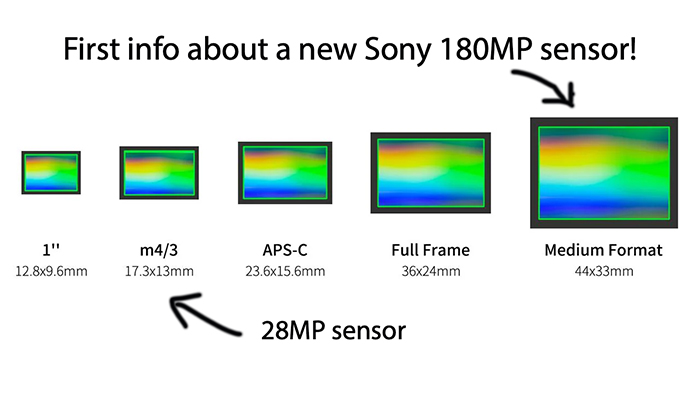
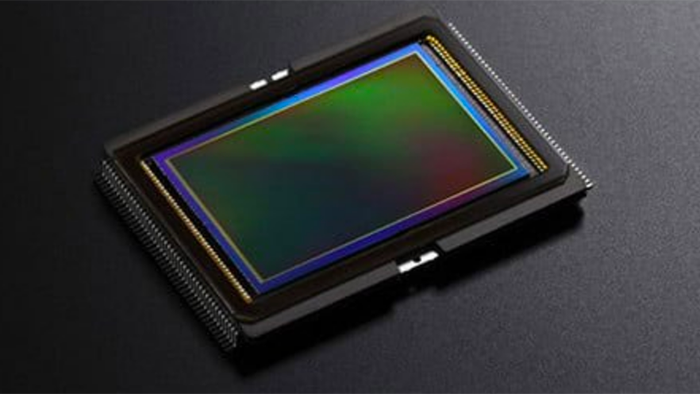
- Why “full frame” back then? Early Olympus materials for the E-1 described a “full-frame transfer CCD.” In context, “full frame” meant the sensor used its entire designed image area (no internal crop relative to its own standard), not 35mm equivalence. Over time the industry standardized “full frame” to mean 35mm, and Four Thirds was referred to as a 2× crop vs. 35mm.
- Built-for-digital system: Unlike brands that adapted film mounts, Olympus designed Four Thirds from scratch—new mount + digital-first sensor—which reduced compromises seen when reusing film-era designs.
- Telecentric optics advantage: Four Thirds lenses were designed to project light more perpendicularly onto the sensor (telecentric design). Benefits: better corner performance, more uniform sharpness, and efficient light capture. Robin notes Canon RF and Nikon Z later embraced similar digital-first optical thinking (mirrorless, short flange, large throat diameters).
- Shooting the E-1 in 2025: Despite “only” 5 MP and no IBIS, the E-1 still feels great in hand, is responsive enough, and produces warm, pleasing Kodak CCD colors that Robin loves for street photography.
- Big message: Gear perfection isn’t required—use what you enjoy. A camera that was great 20 years ago can still be great today.
Related Gear & Helpful Links:
- Olympus E-1 body (used market search): Amazon
- Olympus Zuiko Digital 14-54mm f/2.8-3.5 (the lens Robin used): Amazon
- Four Thirds → Micro Four Thirds adapter (MMF-3 or equivalents): Amazon
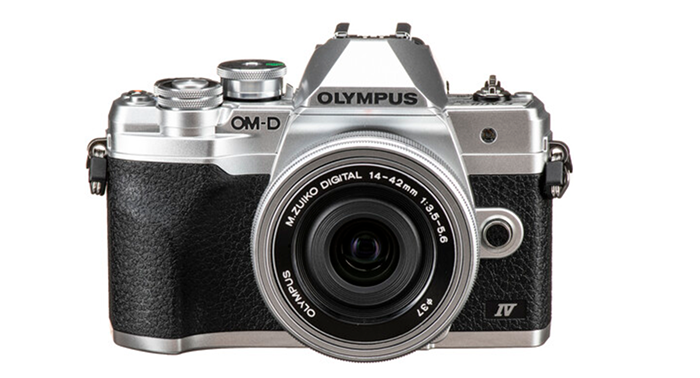
- OM SYSTEM OM-1 (modern MFT flagship): Amazon
- OM SYSTEM M.Zuiko 12-40mm f/2.8 PRO II (telecentric-friendly, digital-first zoom): Amazon
- Panasonic Lumix G9 II (modern MFT body alternative): Amazon
- OM SYSTEM M.Zuiko 25mm f/1.8 (compact prime for street): Amazon
Final Thoughts
- The E-1 shows how early digital-first thinking (Four Thirds + telecentric lenses) anticipated today’s mirrorless advantages. If you value handling and color as much as specs, classics like the E-1 can still deliver a uniquely satisfying shooting experience.