



(FT3) First rumors about the new Panasonic sensor

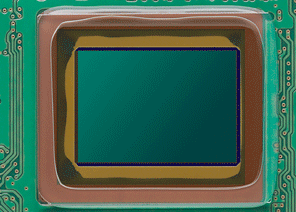
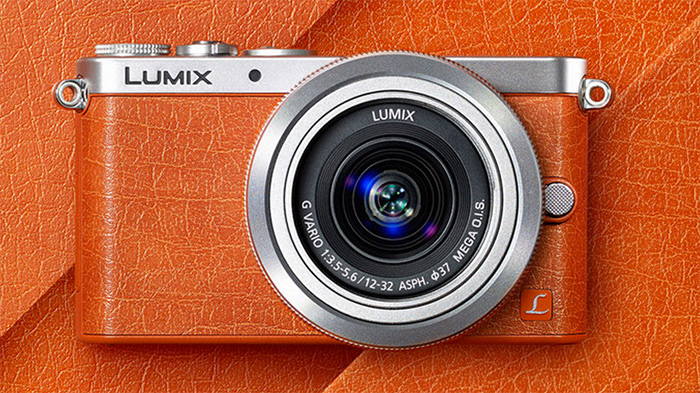
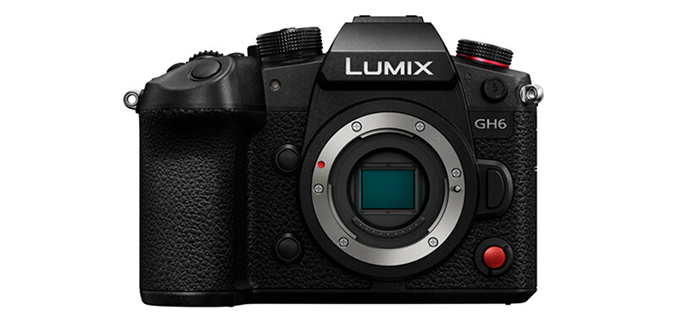
Some rumors we received do say that Panasonic developed a sensor which has a better High-ISO quality (around +1stop quality gain) and better Dynamic Range. It is very likely that there will not be a Megapixel-number increase. In February and March both companies (Panasonic and Olympus) are going to unveil new cameras which will use the new sensor. Olympus should unveil one (or more?) FourThirds cameras and Panasonic a new MicroFourThirds model.
(FT2) One of our very new sources also told us that Panasonic has applied the backlight-tecnology to the FourThirds sensor.
Editos’s note: I always thought that backlight tecnology would only make sense on very small sensor so I can’t judge if the rumor is fake or if it referrs to a completely new type of backlight sensor which also works for bigger sensor.
UPDATE: Panasonic recently announced the new Panasonic 2.2/3-inch CMOS Image Sensor Based on Dual Resolution and Exposure Technique.


Agent00soul
4 years ago |Around +1 stop quality gain over the E-P1 would be fantastic. But I hope they reduce noise at base ISO too. The E-P1 is OK but can take some improvement in that regard.
drj
4 years ago |Entirely agree with Agent00soul, but this also suggests that the earlier rumors about Olympus 4/3 cameras with Fuji sensors won’t come to reality. Be that as it may, a Fuji m4/3 camera – I have never used a camera with their EXR approach but the DR of their earlier Super CCD technology was just fantastic – would be a nice compensation though.
Archer
4 years ago |Back illumination is good for all sizes of chips. It was developed by astronomers using REALLY BIG sensors to improve QE. It also takes care of the angle of incidence problems on larger sensors.
Charles
4 years ago |Archer is right. In a normal sensor a lot of the circuits actually lie above the photosites. This blocks some of the light coming in. Putting those on top would allow the sensor to collect more light. The smaller size of 4/3s sensors should make it easier for Pana/Oly to implement first, although it will come to all the sensors eventually. Because the photosites will be less deep Oly’s telecentric design will probably be a little less important. You might see a lot more improvement using older lenses with sensors of this design. It might be one reason the telecentric requirements were relaxed for m4/3s and/or we might see lenses faster then f2 to go alone with a backlit sensor. These are all wild guesses though.